Where does a woven garment get its shape?
Understanding woven construction
Anmol JournalGuide
Guide 6 of 10
- Topic
- Construction
- Reading time
- 3 minutes
- Sections
- 05
- Figures
- 03
01Woven and knit
A woven fabric is two sets of yarn crossing at right angles: the warp along the length, the weft across it. A knit is a structure of interlocking loops. The practical difference is stretch: a knit gives, a woven largely does not.
So where a knit T-shirt can rely on the fabric to follow the body, a woven shirt or frock must build its fit from the cut and the construction.
02Where shape comes from
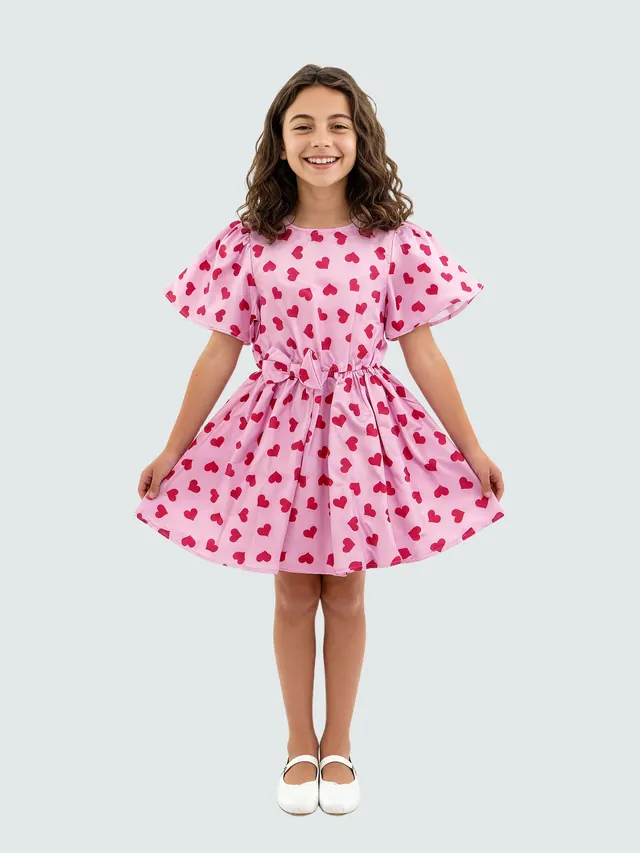
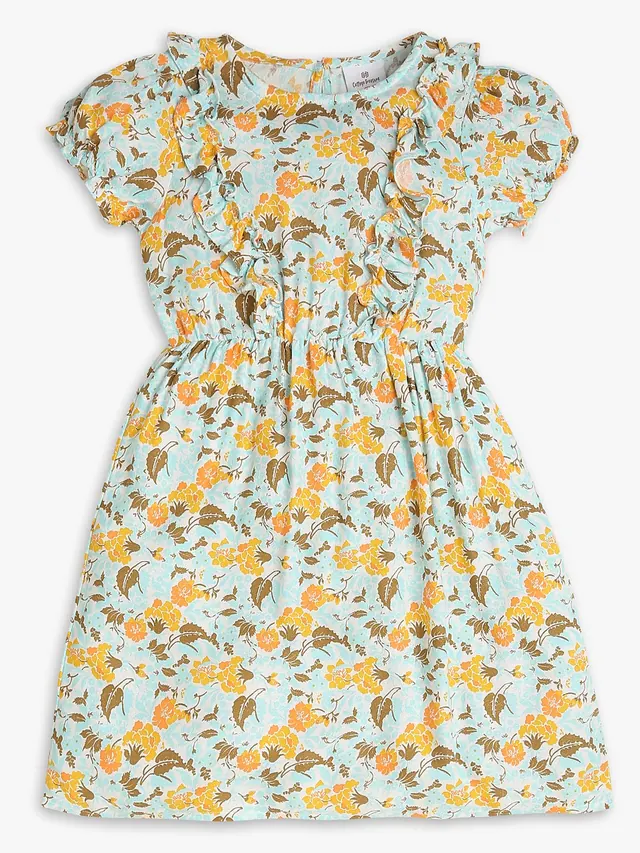
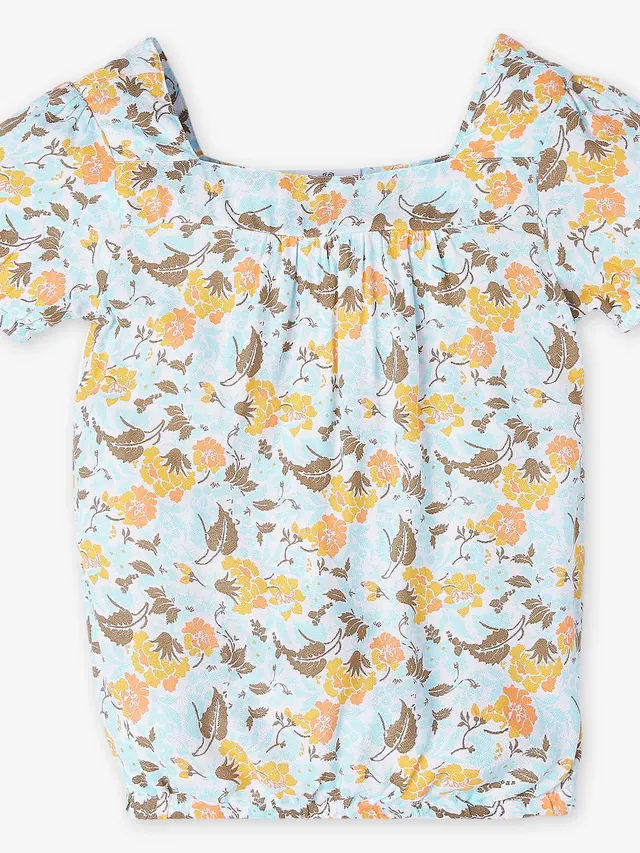
Darts and shaped seams take fabric away where the body is narrower. Gathers and pleats add fullness where it is wanted: at a waist, a yoke or a sleeve head. A yoke is a shaped panel, usually across the shoulders or the hips, that carries the rest of the garment.
Panels let a garment change direction, fabric or colour. Each one adds seams and making time, which is why the panel count shows up in a costing.
03Collars and plackets
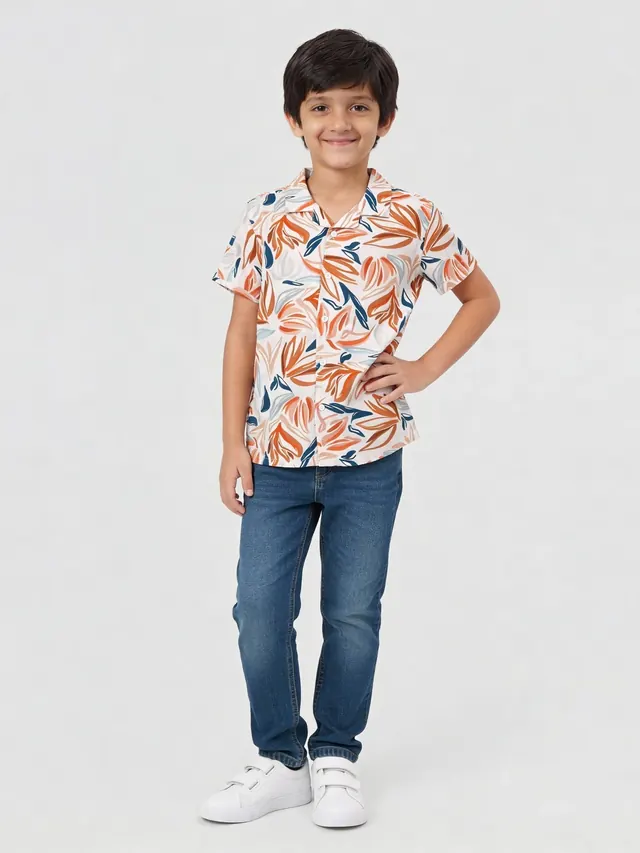
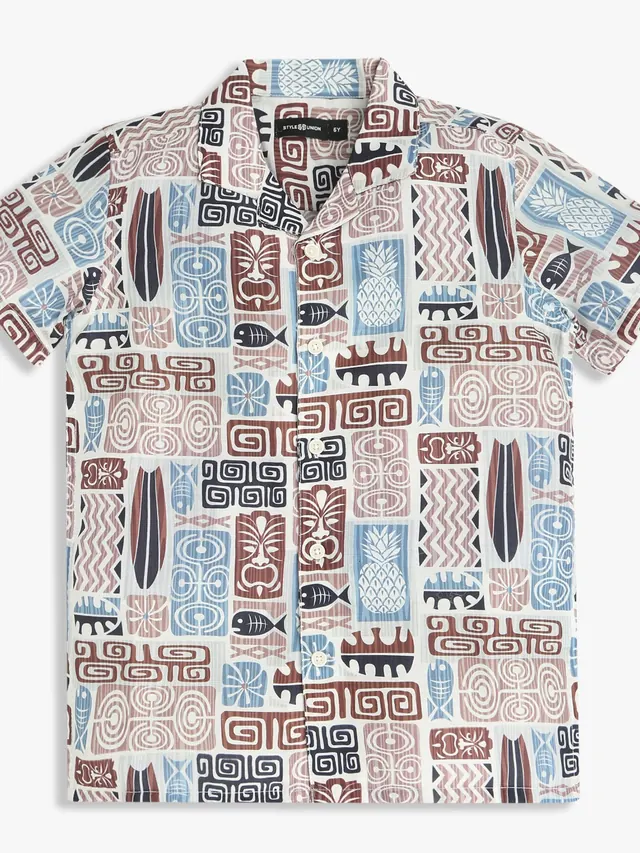
A classic shirt collar sits on a separate band, the collar stand, which holds it up around the neck. A Cuban or camp collar has no stand: it is cut to lie open and flat, for a relaxed look.
The placket finishes the opening that the buttons close. A clean placket, buttonholes in line and a collar with even points are among the first things a buyer reads in a shirt.
04Seams and finishes
How a seam is finished decides its strength and how the inside looks. An overlocked seam wraps the raw edge in thread. A French seam encloses it inside a second seam, which suits sheer fabrics. A flat-felled seam folds both edges under and stitches them down: the strong, flat seam of classic shirting.
Stitch density matters too. More stitches per inch make a stronger, neater seam, up to the point where the needle holes start to weaken the fabric.
A clean placket, buttonholes in line and a collar with even points are among the first things a buyer reads in a shirt.
05Reading construction
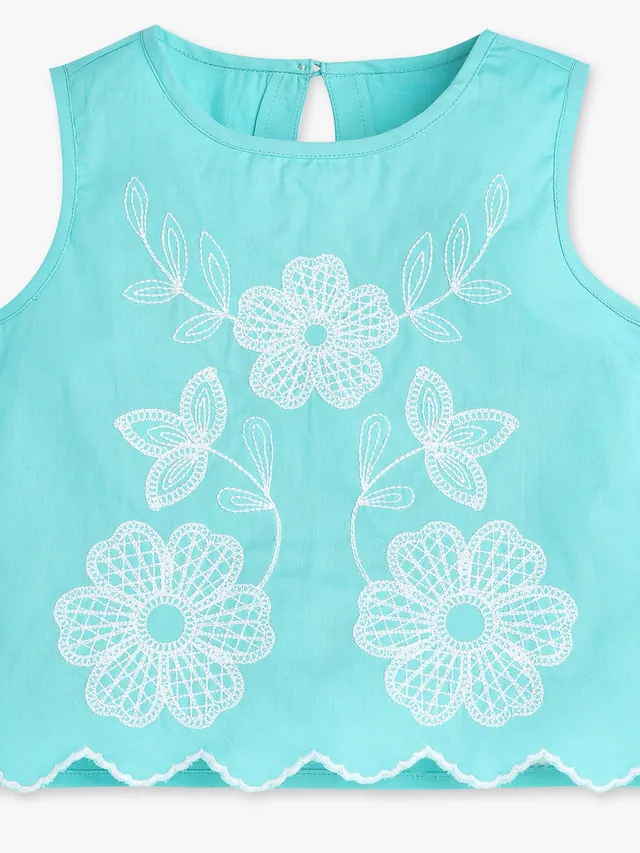
Every detail above can be read in a photograph of a real garment: where the seams run, how the collar is set, where the fullness comes from. Our construction pages do exactly that on styles from current production.
For a buyer, this is the vocabulary of a good tech pack. Naming the seam, the collar and the finish removes a round of questions.
Keep reading