What value-added / Indo-Western work can you develop?
Ethnic
The surface is the garment.
Fusion and traditional silhouettes with hand and machine value addition.
FabricsRayon, Cambric, Georgette, Cotton and Viscose with embroidery and printing.
Ethnic · Value addition04 entries
- Garment types
- 05
- Fabrics
- 05
The techniques the range is developed around, and where each one is typically placed.
01Value addition
Where the work sits.
| Technique | Neckline & yoke | Cuffs | Hem & borders | Chest & front | All-over |
|---|---|---|---|---|---|
| 01 · EmbroideryHand embroideryPlaced atNeckline & yoke, Cuffs, Hem & borders | Not typical | Not typical | |||
| 02 · EmbroideryKaht workPlaced atAgreed on a trial piece | Placement agreed on a trial piece | ||||
| 03 · EmbroideryComputerised embroideryPlaced atHem & borders, Chest & front, All-over | Not typical | Not typical | |||
| 04 · PrintPiece printingPlaced atChest & front, All-over | Not typical | Not typical | Not typical | ||
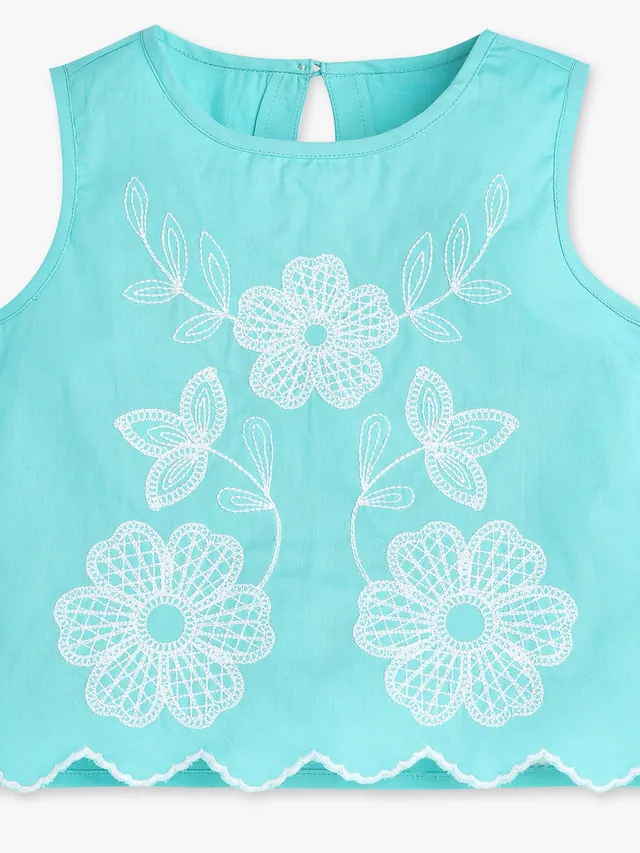
- 01Embroidered front
- 02Scalloped hem
Send with the brief
Hand embroidery
- Motif artwork at actual size
- Thread colours and thread type
- Placement on the panel
- How much variation between pieces is acceptable
Send with the brief
Kaht work
- Motif artwork or a reference of the work
- Colours
- Placement on the panel
Send with the brief
Computerised embroidery
- Artwork as a vector or high-resolution file
- Stitch type and density
- Thread colours
- Placement, and whether the motif changes size across the size range
Send with the brief
Piece printing
- Artwork with colour references
- Placement and size on the panel
- Colourways
- How the print should feel in the hand
Both hand embroidery and computerised embroidery are offered, so a motif can be worked by hand for depth or by machine for repeatability across bulk. Kaht work is one of the four value-addition techniques offered. Its placement and density are agreed on the sample before bulk.
Value addition in depth02Garment types
Kurtis to co-ord sets.
| Garment type | Rayon | Cambric | Georgette | Cotton | Viscose |
|---|---|---|---|---|---|
| 01KurtisThe core ethnic garment: straight, A-line or flared, with the neckline and yoke as the canvas for embroidery.FabricsRayon, Cambric, Georgette, Cotton, Viscose | |||||
| 02Fusion topsWestern cuts with Indian detailing: an embroidered yoke, a printed panel, a tasselled tie.FabricsGeorgette, Viscose | Not listed | Not listed | Not listed | ||
| 03TunicsLonger Indo-Western tops, worn over trousers, palazzos or jeans.FabricsRayon, Cambric, Cotton | Not listed | Not listed | |||
| 04Ethnic dressesFull-length and midi dresses with Indian prints, embroidery or Kaht work.FabricsRayon, Georgette, Viscose | Not listed | Not listed | |||
| 05Co-ord setsKurti and bottom, or top and pants, matched in fabric and value addition.FabricsRayon, Cambric, Cotton | Not listed | Not listed |
03Indo-Western
Indian detail, Western cut.
- 01
Indo-Western
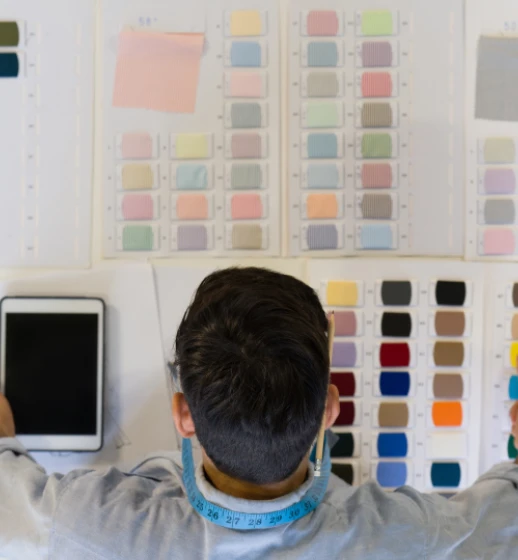
Indo-Western is a balance: how far a style leans to a Western cut or to a traditional line is set on the first sample, then held through bulk.
- 02
Printing
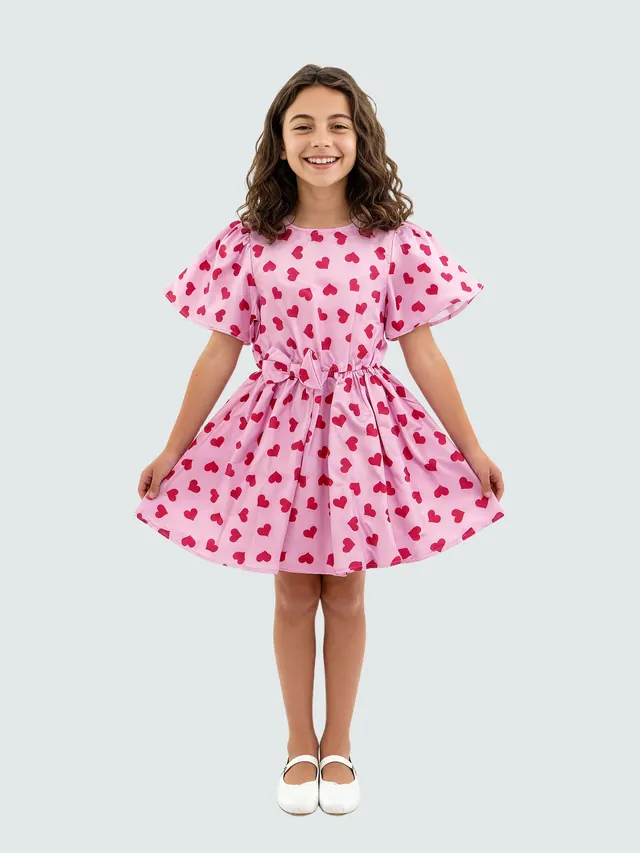
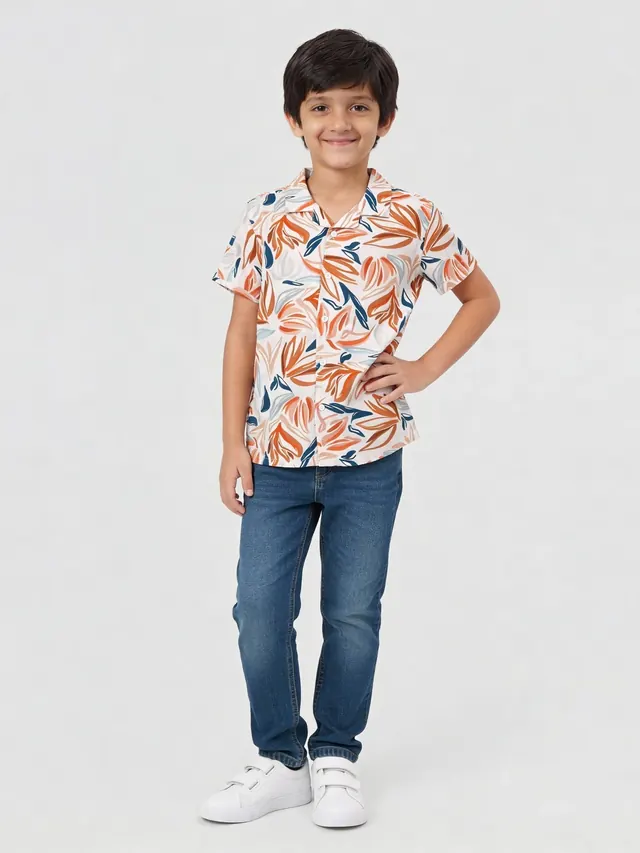
Piece printing, either as a placement on one panel or as an all-over print across the garment.
- 03
Fabric and value addition
The fabric and the work are chosen together: a fine cambric or a fluid georgette takes embroidery differently from a printed rayon, and the sample shows how.
04Fabrics
Fabrics that take the work.
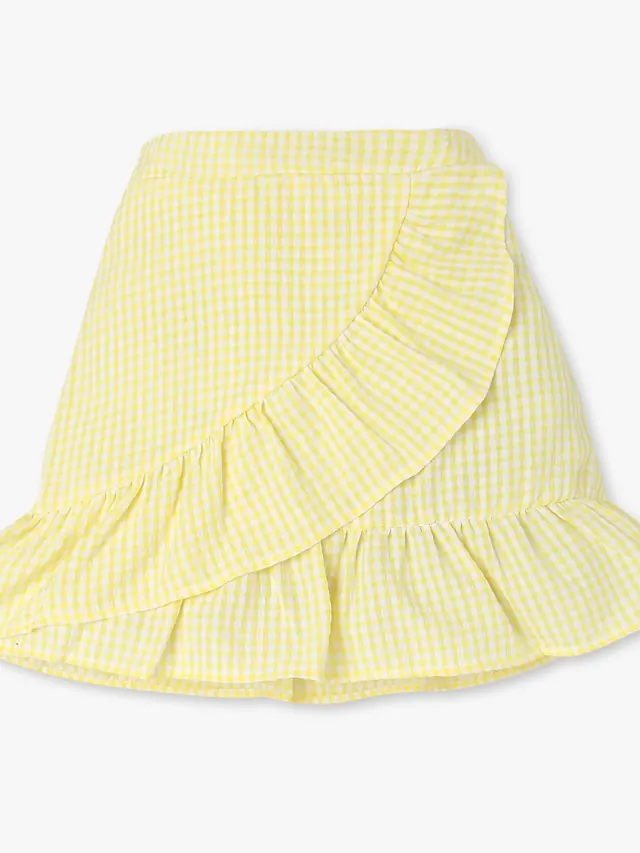
01FibreRegenerated cellulose fibre
Rayon
SuitsKurtis, Tunics, Ethnic dresses, Co-ord sets
02WeavePlain weave
Cambric
SuitsKurtis, Tunics, Co-ord sets
Offered for development
03WeaveCrepe
Georgette
SuitsKurtis, Ethnic dresses, Fusion tops
Offered for development
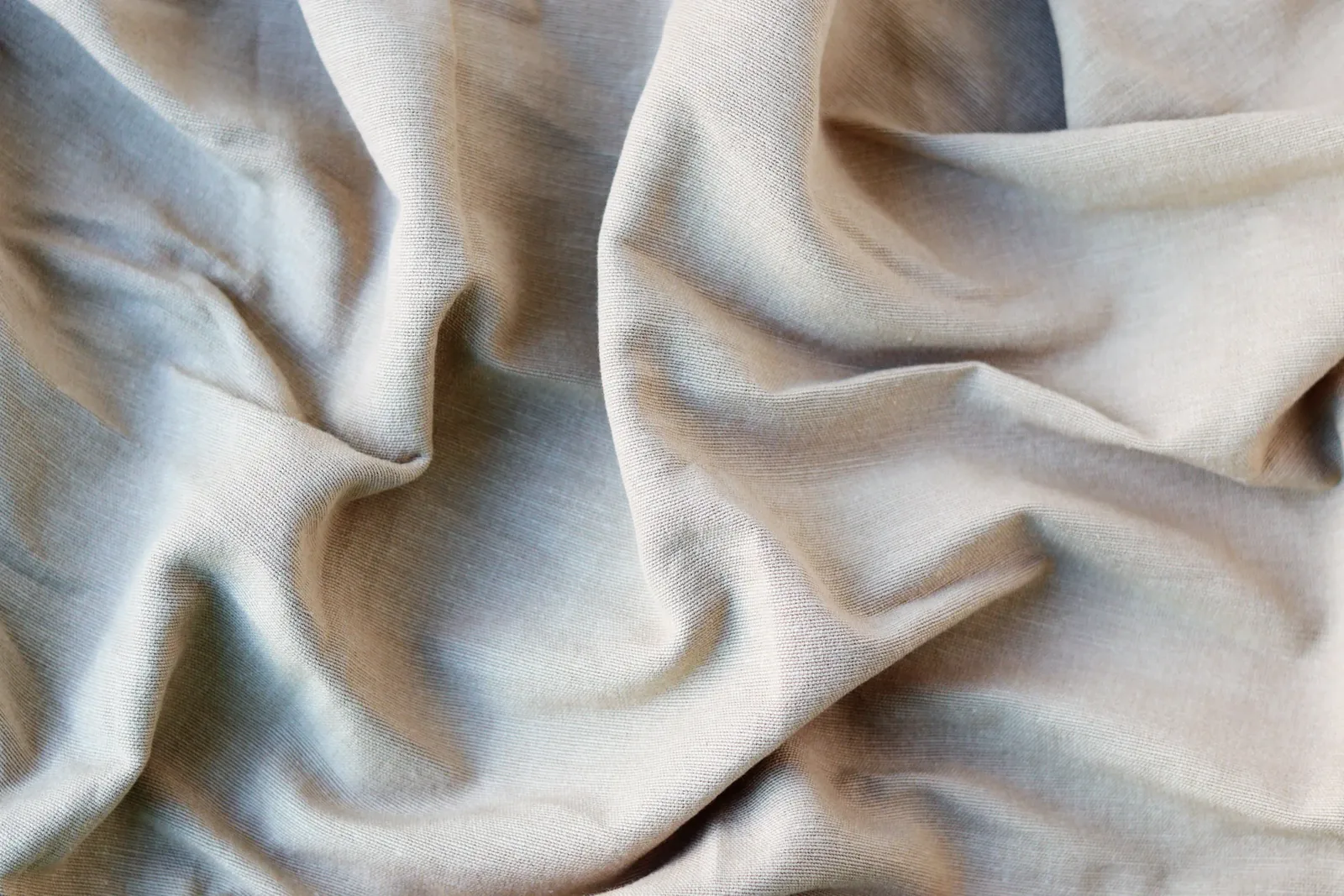
04FibreNatural cellulose fibre
Cotton
SuitsKurtis, Tunics, Co-ord sets
Representative photograph
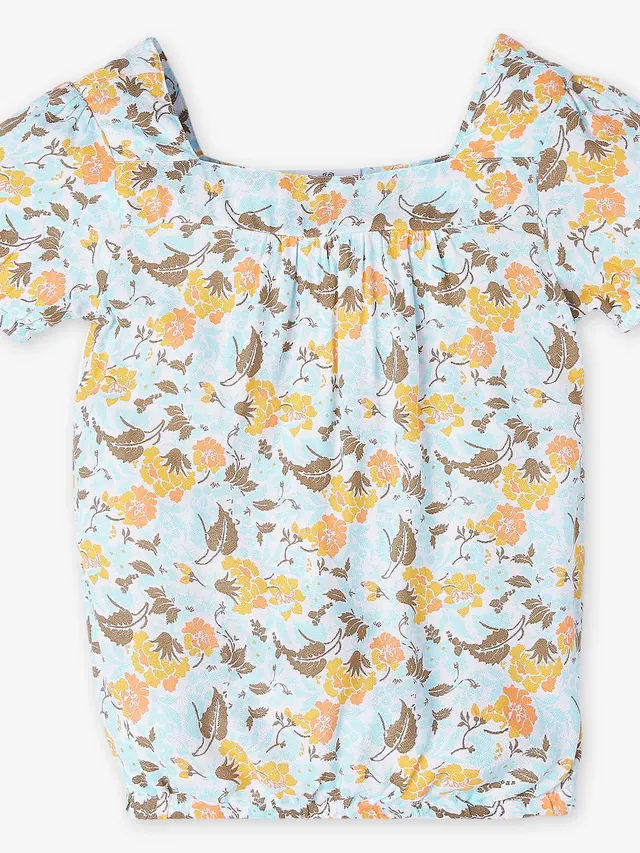
05FibreRegenerated cellulose fibre
Viscose
SuitsKurtis, Fusion tops, Ethnic dresses
- Material libraryEvery fabric, its hand and structureOpen the library
05Development
How ethnic styles are developed.
- 01
Brief the work
Mark where the embroidery, Kaht work or print should sit on your sketch or reference. - 02
Hand or machine
Choose hand embroidery, computerised embroidery, Kaht work or piece printing, alone or combined, for each placement. - 03
Sample it in place
Proto and fit samples carry the value addition in its final position, on the chosen fabric, so colour and density are judged on the garment. - 04
Lock it for bulk
The approved counter sample fixes placement and finish for every piece in bulk.
06Ethnic & Indo-Western · On enquiry
Catalogue available on request.
Our ethnic catalogue is shared directly with buyers under enquiry rather than published here. Send the kurti, tunic or set you want developed, with the work you have in mind.
How the catalogue is shared
- 01Tell us the styles and quantities
- 02Receive relevant references
- 03Sample against your tech pack
Or write to info@anmolgarments.in