What fabrics do you work in?

The cloth, before the cut.

A library of the twelve materials our five ranges list: six fibres, five weaves and one dyeing method. Each entry gives the hand, the structure, the common use, the value addition it takes and the garments it suits. Weights, counts and finishes are confirmed against the programme.
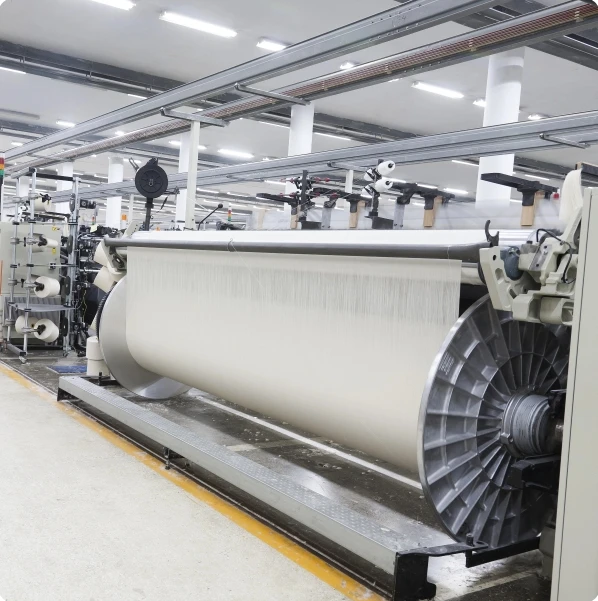
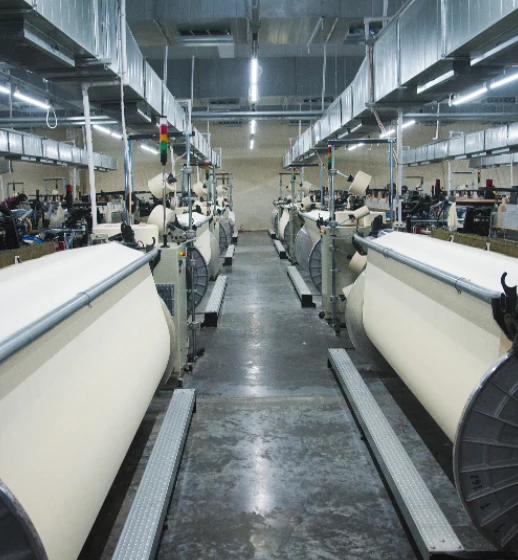
An aisle of power looms in Donear's weaving shed, greige fabric on the beams
Donear's weaving shed: power looms with greige fabric on the beams. Photograph: Donear, one of the mills we work with.

01The library

Kind
Range
Value addition

Showing 12 of 12 materials

Fibres06

What the yarn is spun from.

A fibre is the raw material. Cotton and linen come from plants, viscose and rayon are regenerated from wood pulp, polyester and elastane are made synthetically. The same fibre can be woven in many ways.

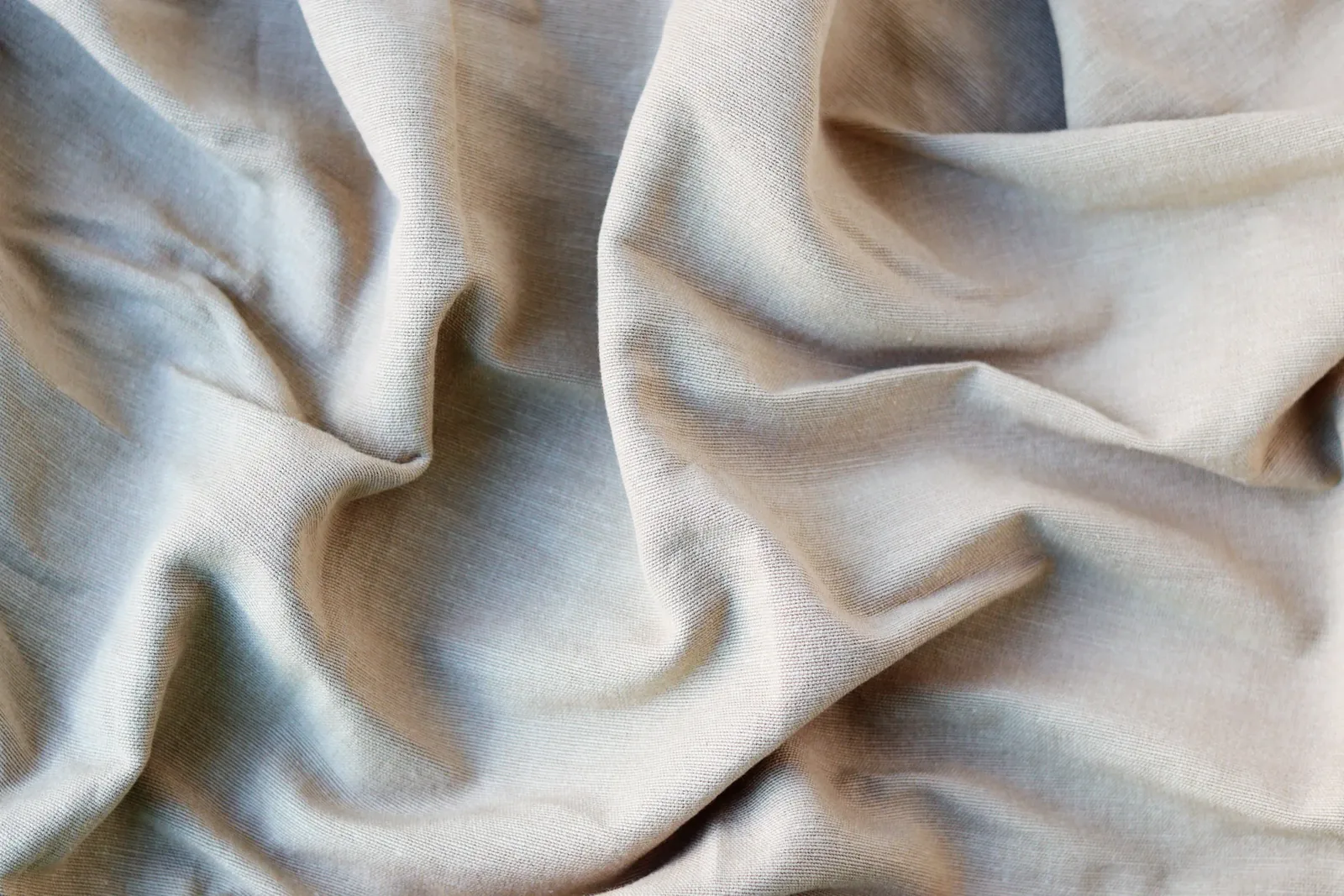
Close-up of crumpled light beige woven cotton cloth in soft folds, the fine weave visible on the surface
Representative photograph of cotton

No. 01FibreNatural cellulose fibre, from the seed hair of the cotton plant

Cotton

A fibre, not a weave: poplin, cambric, voile and twill are very often woven from it.

Application
Everyday wovens where comfort against the skin comes first.
Hand feel
Soft, matte and breathable; absorbs moisture well and creases unless finished.
Structure
Short staple fibres spun into yarn and woven in almost every construction, from fine plain weaves to twills.
Common use
Shirting, children's frocks and tops, shorts, skirts and kurtis.
Available value addition
  • Hand embroidery
  • Kaht work
  • Computerised embroidery
  • Piece printing
A stable, absorbent ground that takes embroidery and printing well.
Suitable product types
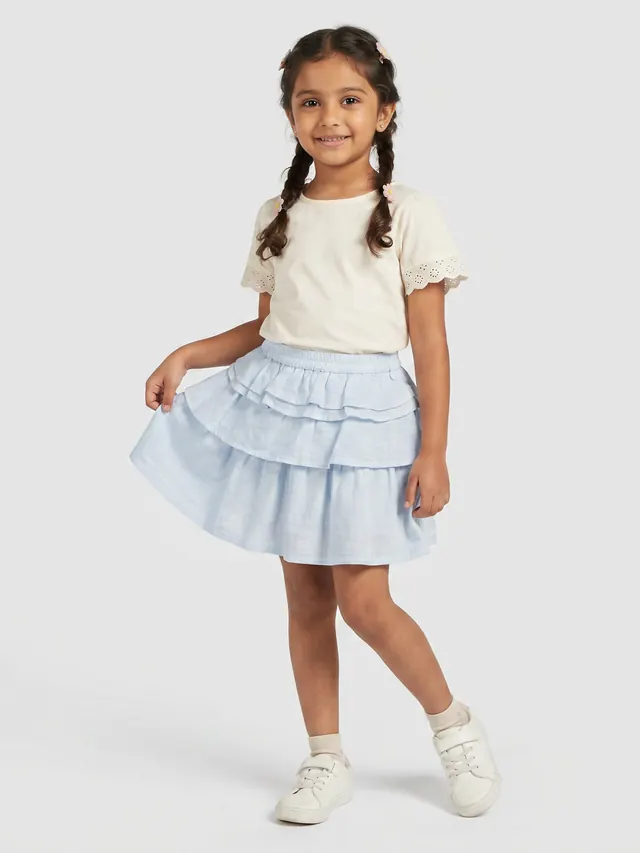
  • GirlsFrocks, Dresses, Tops, Skirts
  • BoysCheckered shirts, Cut and sew, Shorts
  • EthnicKurtis, Tunics, Co-ord sets
  • MensSolid shirts, Striped shirts, Full-sleeve shirts, Formal shirts, Cotton trousers, Kurtas

In current production · 21 styles cut in cotton

Browse them in girlswear and boyswear.

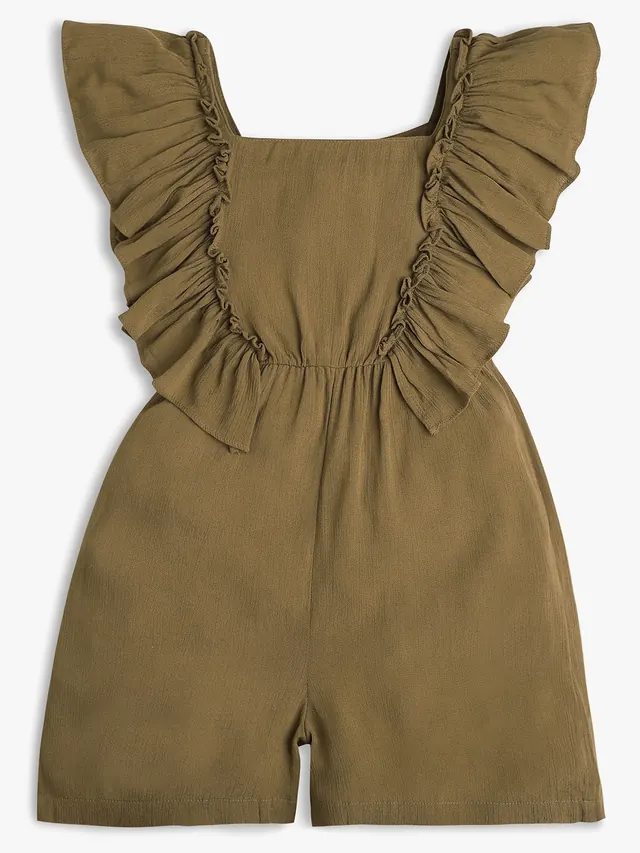
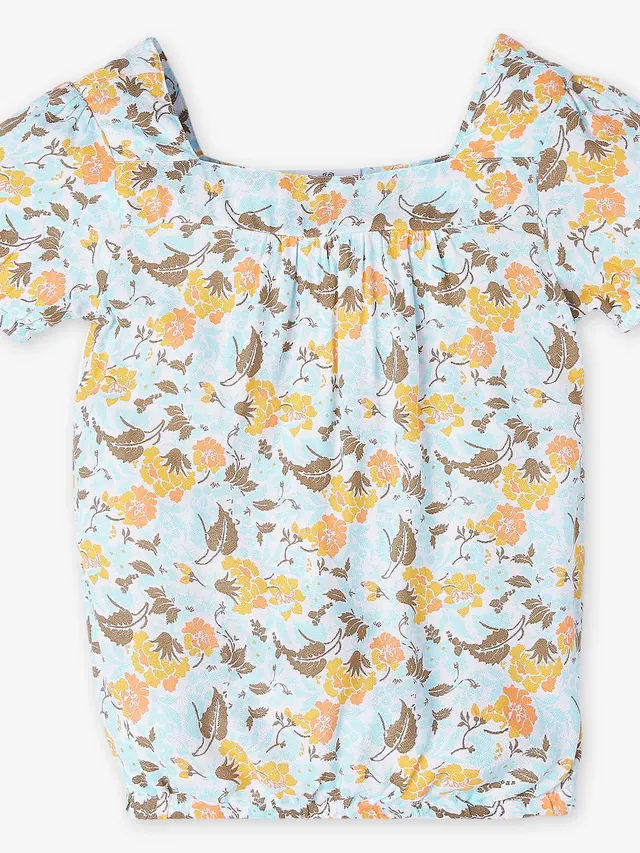
Close-up of the gathered ruffle of a viscose jumpsuit, style 248539 from current production
Texture: the gathered ruffle of a viscose jumpsuit, style 248539

No. 02FibreRegenerated cellulose fibre, made from wood pulp

Viscose

The most common kind of rayon; usually woven as a light plain weave or crepe.

Application
Printed garments that should fall softly rather than stand away from the body.
Hand feel
Soft, smooth and cool, with a fluid drape; weaker when wet, so it needs careful handling and finishing.
Structure
Cellulose dissolved and extruded into smooth fibres, spun into yarn and woven light.
Common use
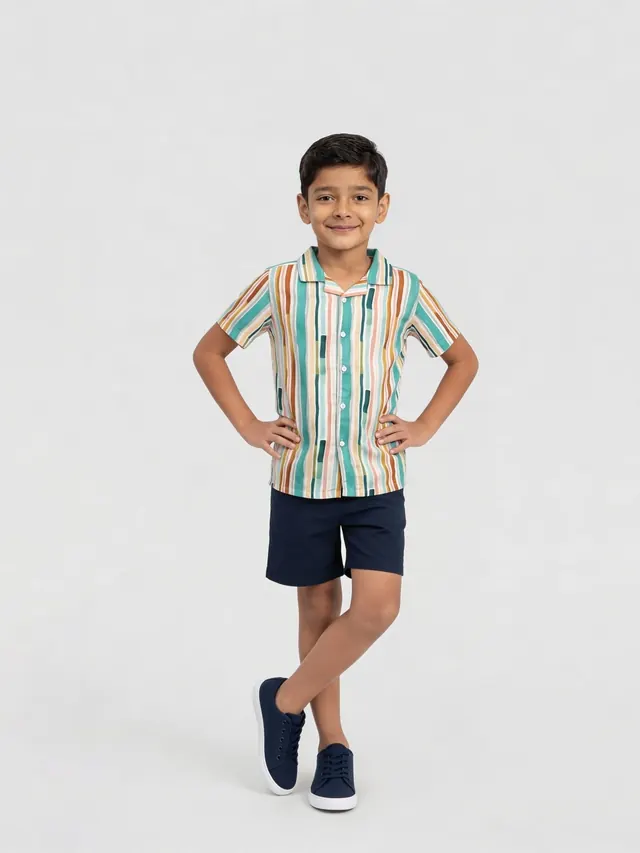
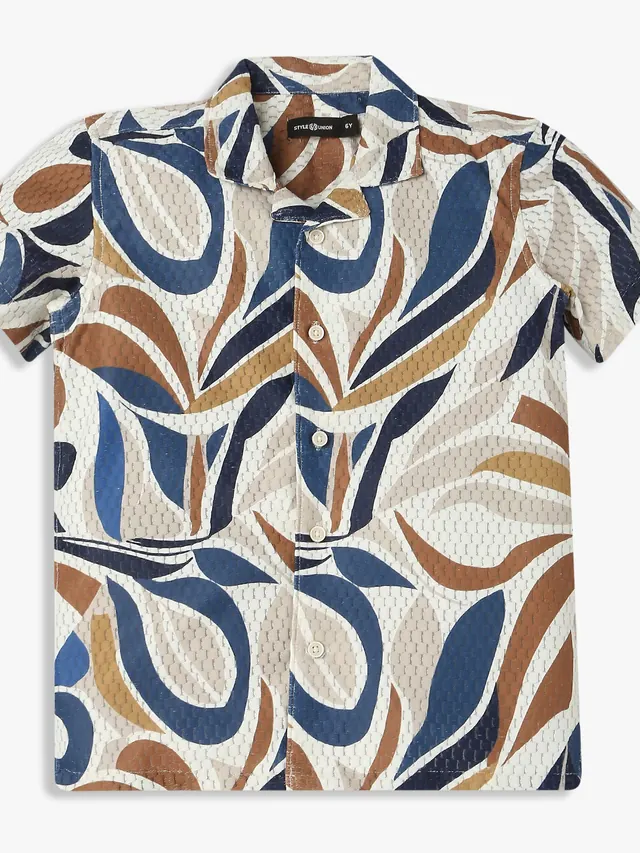
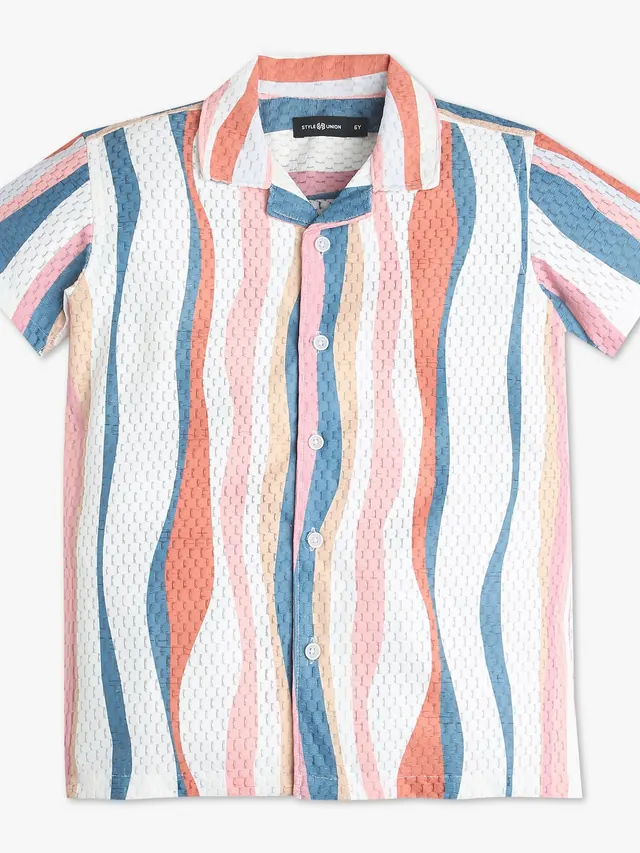
Printed frocks, tops, pants, kurtis and resort shirts.
Available value addition
  • Hand embroidery
  • Kaht work
  • Computerised embroidery
  • Piece printing
Takes dye and print with clear colour; light grounds are usually backed for dense embroidery.
Suitable product types
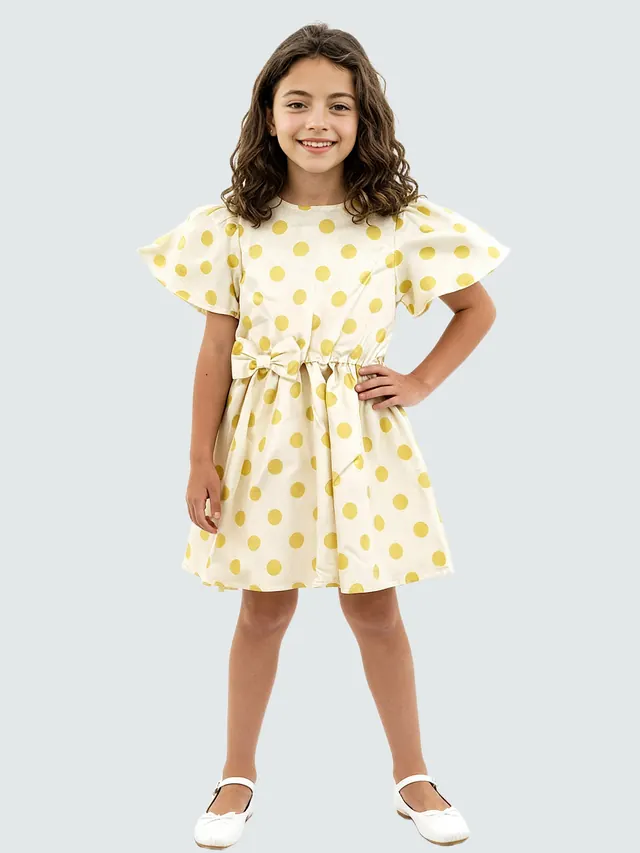
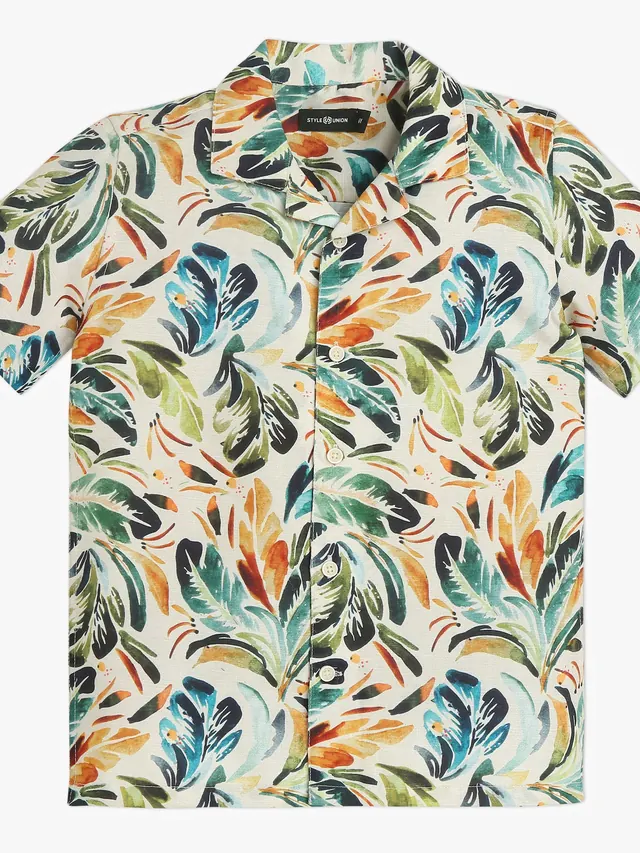
  • GirlsFrocks, Tops, Shorts, Pants, Jumpsuits
  • BoysPrinted shirts, Cuban collar shirts
  • EthnicKurtis, Fusion tops, Ethnic dresses

In current production · 12 styles cut in viscose

Browse them in girlswear and boyswear.

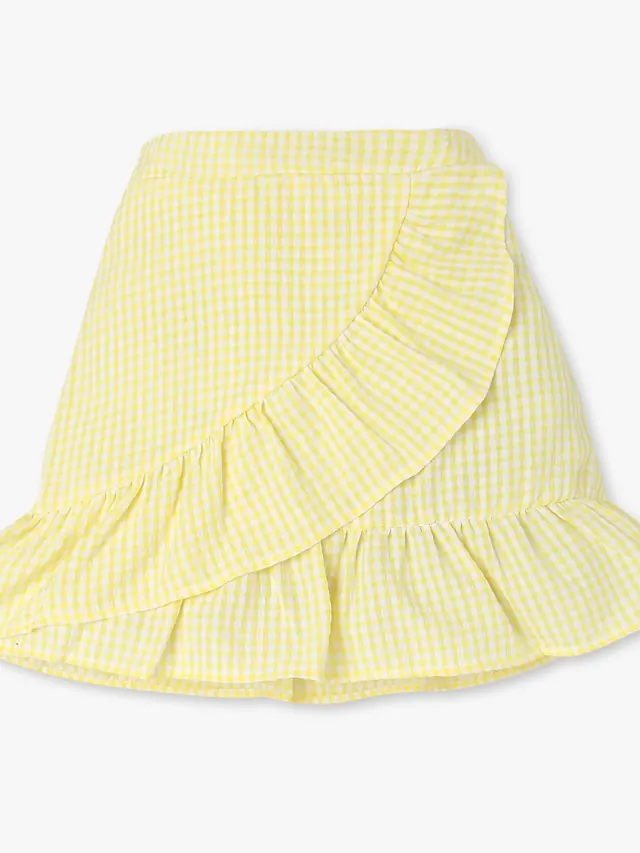
Close-up of the ruffled edge of a rayon wrap skirt, style 752166 from current production
Texture: the ruffled edge of a rayon wrap skirt, style 752166

No. 03FibreRegenerated cellulose fibre

Rayon

Rayon is the umbrella name for regenerated cellulose; viscose is its most common type, and the trade often uses the two names for the same cloth.

Application
Fluid prints for shirts, kurtis and dresses.
Hand feel
Silky, cool and drapey, with good depth of colour in prints.
Structure
Regenerated cellulose fibres, most often woven as a soft plain weave (challis) or a crepe.
Common use
Cuban and resort shirts, kurtis, dresses and skirts.
Available value addition
  • Hand embroidery
  • Kaht work
  • Computerised embroidery
  • Piece printing
Prints with rich colour; embroidery on a soft ground needs backing to stay flat.
Suitable product types
  • GirlsSkirts, Frocks, Dresses
  • BoysCuban collar shirts, Printed shirts
  • LadiesDresses, Tops, Kurtis, Co-ord sets
  • EthnicKurtis, Tunics, Ethnic dresses, Co-ord sets
  • MensKurtas, Co-ord sets

In current production · 4 styles cut in rayon

Browse them in girlswear and boyswear.

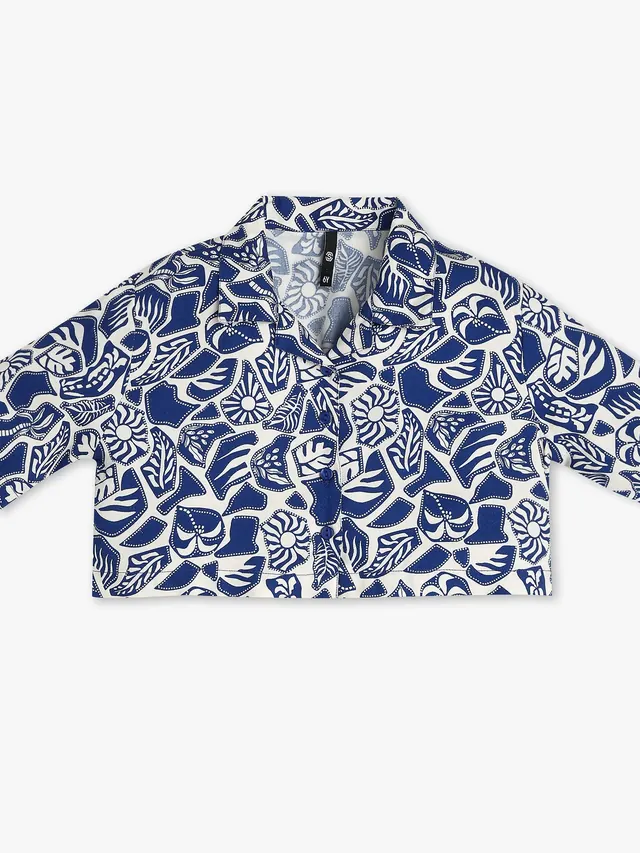
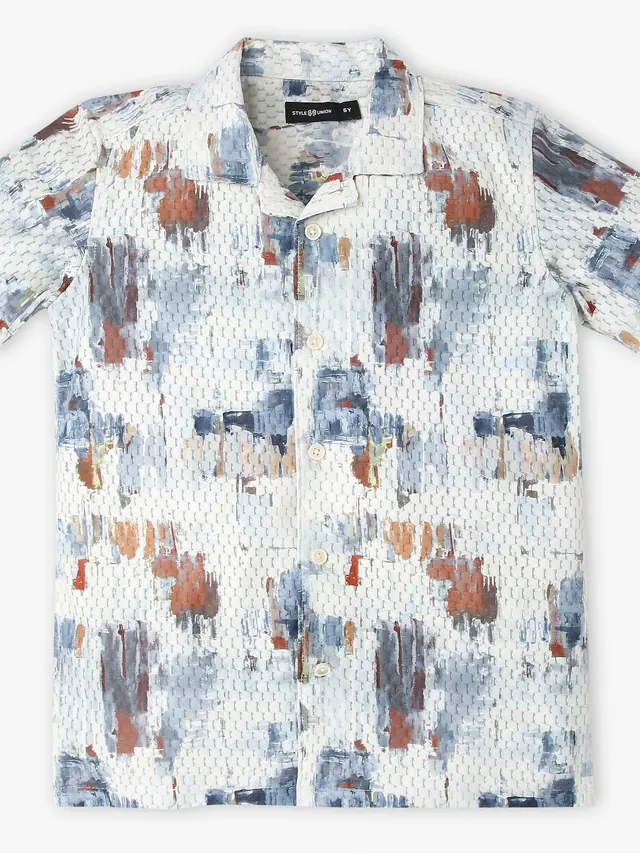
Close-up of the printed front of a polyester shirt, style 915738 from current production
Texture: the printed front of a polyester shirt, style 915738

No. 04FibreSynthetic fibre

Polyester

Used alone or blended with cotton or viscose, in woven and knitted cloths.

Application
Crisp prints and shapes that keep their form through wear.
Hand feel
Smooth and resilient; resists creasing and dries quickly, but breathes less than cotton.
Structure
Strong, smooth synthetic yarns; holds a pressed shape and a pleat.
Common use
Printed shirts and frocks, and blends for shirting.
Available value addition
  • Hand embroidery
  • Computerised embroidery
  • Piece printing
Holds a sharp print; embroidery sits cleanly on its smooth face.
Suitable product types
  • GirlsFrocks, Dresses
  • BoysCuban collar shirts, Camp collar shirts, Printed shirts

In current production · 15 styles cut in polyester

Browse them in girlswear and boyswear.

Weave draftSchematic, not to scale

Plain weave with slubbed flax yarns

No. 05FibreNatural bast fibre, from the flax plant

Linen

Most often a plain weave; the slubs in its yarn give it texture.

Application
Warm-weather shirts and relaxed sets.
Hand feel
Crisp, cool and very breathable; softens with wear and creases readily.
Structure
Long, strong flax fibres with natural slubs, usually plain woven.
Common use
Shirts, co-ord sets, dresses and trousers.
Available value addition
  • Hand embroidery
  • Computerised embroidery
  • Piece printing
Its slubbed surface suits open embroidery and placed prints.
Suitable product types
  • LadiesCo-ord sets, Dresses, Tops
  • MensLinen shirts, Co-ord sets

No. 06FibreElastane (spandex)

Lycra

Lycra is the trade name most often used for elastane, which is blended in small proportions with other fibres rather than used alone.

Application
Fitted shapes that need ease of movement.
Hand feel
Adds stretch and recovery; the cloth keeps the hand of its main fibre.
Structure
A highly elastic synthetic fibre, core-spun or blended into cotton, viscose or polyester yarns.
Common use
Fitted tops, trousers and stretch woven dresses.
Available value addition
  • Computerised embroidery
  • Piece printing
Stretch grounds are stabilised for embroidery so the stitch does not pucker when the cloth moves.
Suitable product types

Weaves05

How the yarn is interlaced.

A weave is a construction, not a material. Poplin, cambric and voile are plain weaves that differ in yarn and density, georgette is a crepe of highly twisted yarns, and a twill steps its interlacing to form diagonal lines. Each can be made in more than one fibre.

Weave draftSchematic, not to scale

Plain weave: fine warp set close over a heavier weft

No. 07WeavePlain weave

Poplin

A construction, usually in cotton or cotton blends.

Application
Clean, structured shirts, blouses and dresses.
Hand feel
Crisp, smooth and light, with a slight sheen.
Structure
A tight plain weave with fine warp yarns packed closely over a slightly heavier weft, giving a faint crosswise rib.
Common use
Shirts, blouses, dresses and frocks.
Available value addition
  • Hand embroidery
  • Computerised embroidery
  • Piece printing
A smooth, firm face for fine embroidery and sharp prints.
Suitable product types
  • GirlsFrocks, Dresses, Tops
  • LadiesTops, Blouses, Dresses
  • MensSolid shirts, Striped shirts, Formal shirts

Weave draftSchematic, not to scale

Plain weave: fine yarns, set close and even

No. 08WeavePlain weave

Cambric

A fine, closely woven plain weave, traditionally in cotton or linen.

Application
Light kurtis, tops and children's wear that need a smooth face.
Hand feel
Light, soft and smooth; cool in warm weather.
Structure
Fine yarns set close in a plain weave, often calendered for a light surface lustre.
Common use
Kurtis, tops, children's dresses and linings.
Available value addition
  • Hand embroidery
  • Kaht work
  • Computerised embroidery
  • Piece printing
Its fine, even surface shows embroidery and print detail clearly.
Suitable product types

Weave draftSchematic, not to scale

Plain weave of crepe yarns: S-twist and Z-twist (shaded) wefts alternate

No. 09WeaveCrepe, from highly twisted yarns

Georgette

Originally silk; today most often polyester or viscose.

Application
Flowing dresses, blouses and kurtis where drape and movement lead.
Hand feel
Light, sheer and springy, with a fluid drape; usually lined or layered.
Structure
A sheer plain weave of alternating S- and Z-twist crepe yarns, giving a slightly grainy, crinkled surface.
Common use
Dresses, blouses, tunics and kurtis.
Available value addition
  • Hand embroidery
  • Kaht work
  • Computerised embroidery
  • Piece printing
A sheer ground: embroidery is usually stabilised or backed so it does not pucker.
Suitable product types
  • LadiesDresses, Blouses, Tunics
  • EthnicKurtis, Ethnic dresses, Fusion tops

Weave draftSchematic, not to scale

Plain weave: fine yarns set apart, so the cloth is semi-sheer

No. 10WeavePlain weave

Voile

Usually cotton or cotton blends, woven from fine, high-twist yarns.

Application
Summer tops and blouses; layered or lined in dresses.
Hand feel
Soft, airy and semi-transparent; very breathable.
Structure
A light, semi-sheer plain weave of fine, highly twisted yarns.
Common use
Blouses, tops, kurtis and summer dresses.
Available value addition
  • Hand embroidery
  • Computerised embroidery
  • Piece printing
Light enough to need a stabiliser under embroidery; prints read softly.
Suitable product types
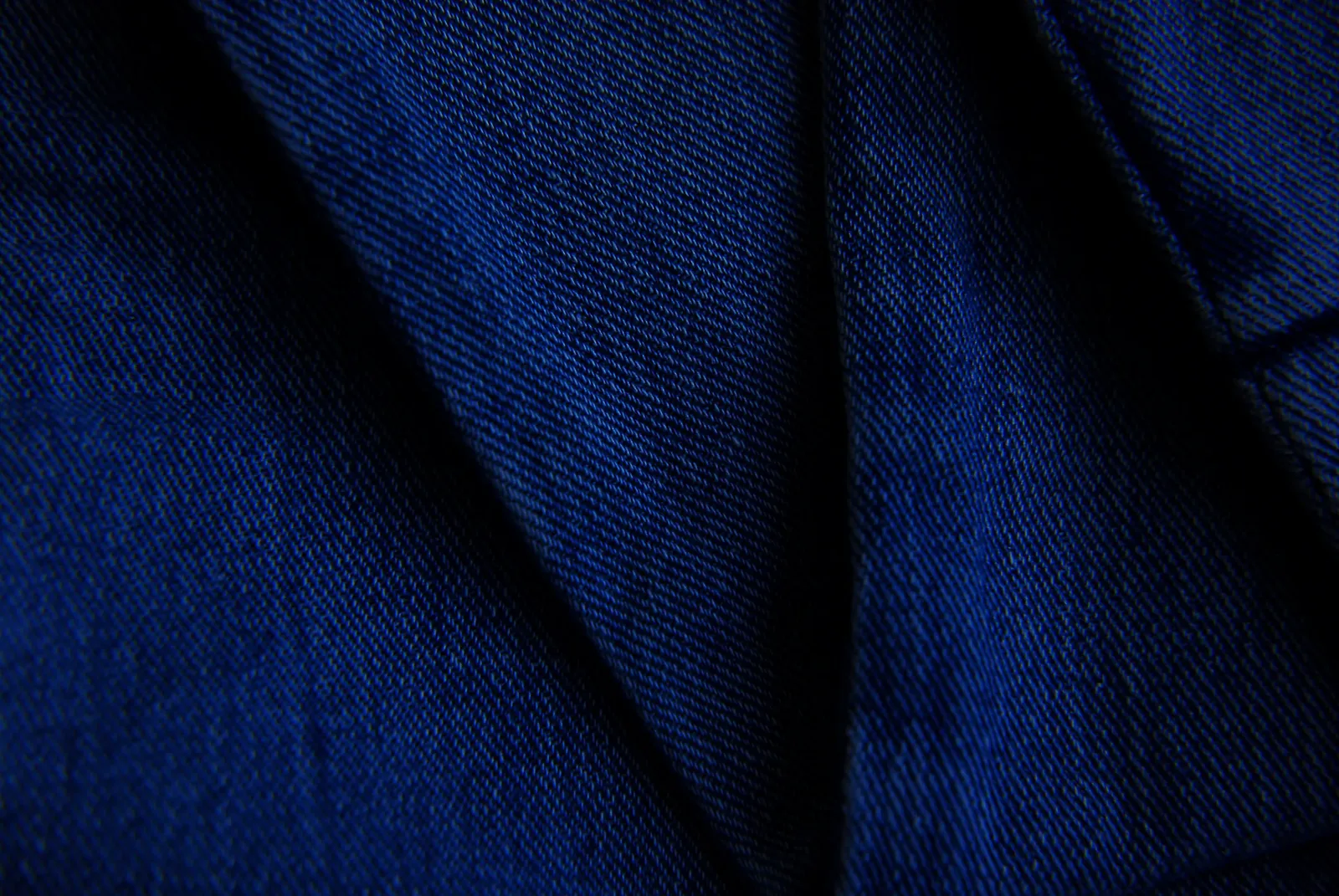
Close-up of folded dark indigo denim, a cotton twill, with the diagonal twill wale running across the cloth
Representative photograph of twill

No. 11WeaveTwill weave

Twill

A weave, made in cotton, blends and synthetics; denim and drill are twills.

Application
Hard-wearing bottoms, structured shirts and outer layers.
Hand feel
Firm and durable, yet drapes well; hides marks better than a plain weave.
Structure
The weft passes over and under two or more warp yarns in a stepped sequence, forming diagonal lines (wales).
Common use
Trousers, shorts, shackets and heavier shirts.
Available value addition
  • Hand embroidery
  • Computerised embroidery
  • Piece printing
A firm ground for embroidery; the diagonal wale shows through light prints.
Suitable product types

Dyeing method01

When the colour goes in.

Yarn-dyed cloth is coloured before it is woven, so a check or a stripe runs through the cloth instead of sitting on its surface like a print.

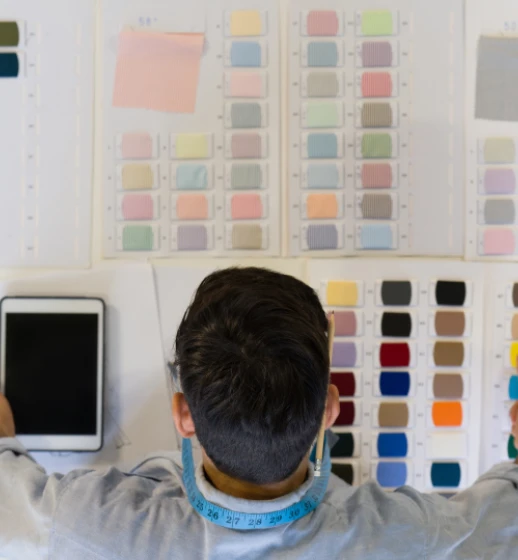
A colourist at Donear studying a wall of fabric shade cards
A colourist at Donear studying a wall of fabric shade cards, the references dyed colours are matched to. Photograph: Donear.

Weave draftSchematic, not to scale

Dyed yarns in warp and weft: the check is woven in

No. 12Dyeing methodColoured before weaving

Yarn-dyed

Describes when colour is added, not the fibre or the weave: the yarns are dyed first, then woven into the pattern.

Application
Checks and stripes for shirting.
Hand feel
Depends on the base cloth; the pattern shows on both faces and its edges stay crisp.
Structure
Dyed yarns woven into checks, stripes, ginghams and chambrays, so the pattern runs through the cloth.
Common use
Checked and striped shirts, ginghams and chambray.
Available value addition
  • Hand embroidery
  • Computerised embroidery
The pattern is woven in, so embroidery is the usual addition rather than print.
Suitable product types
  • BoysCheckered shirts
  • LadiesTops, Dresses
  • MensStriped shirts, Full-sleeve shirts, Formal shirts

02Fabric vendors

The mills we work with.

Woven fabric is made at mills. These are the fabric vendors we work with.

  1. 01NK Textiles
  2. 02Wintry
  3. 03SLT
  4. 04Donear

Inside Donear’s mill · photographs used with Donear’s permission

A power loom at Donear, one of our fabric mills, weaving fabric onto the cloth beam
A power loom weaving fabric onto the cloth beam.
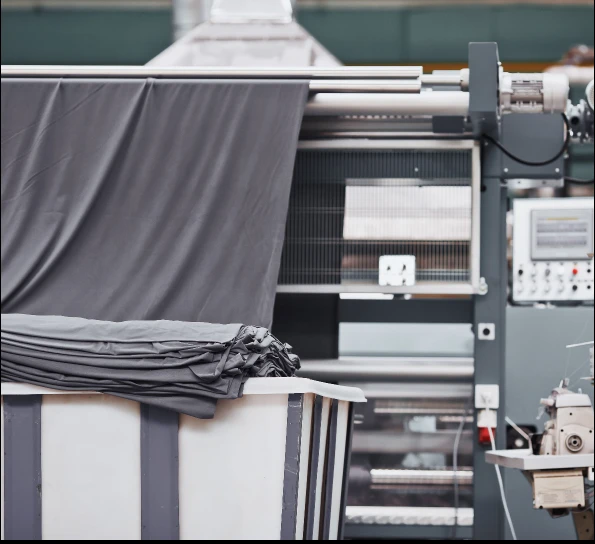
Grey fabric running through a finishing machine at Donear
Grey fabric running through a finishing machine.

Name the cloth. We will source it.

Tell us the fabric, the hand and the look you want, or send a swatch. Fabric is matched on the sample before any bulk metre is cut.