How is a bulk order cut and sewn?
One style, many lines, one standard.
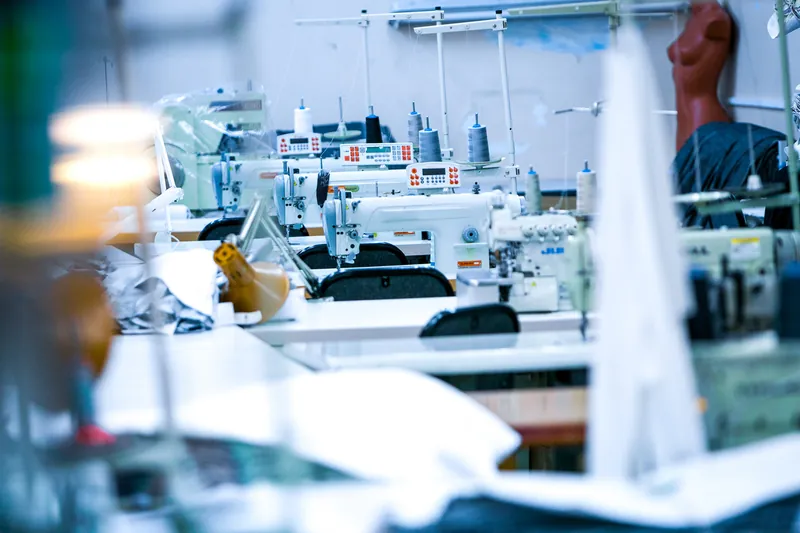
A stitching line. Representative photograph.
Input, process, output.
What arrives at cut, sew & bulk production, what happens to it, and what leaves for the next stage.
- 01
Input
- 01.1Approved counter sample
- 01.2Graded pattern and marker plan
- 01.3Bulk fabric in the approved shade, and trims, checked and released
- 01.4Cut plan by size and colour
- 02
Process
- 01
Fabric preparation
- 02
Marker planning
- 03
Cutting
- 04
Bundling
- 05
Stitching on parallel lines
- 06
Finishing
- 03
Output
Finished garments for the full order quantity, made to the approved sample.
Why it matters
Volume only helps if every piece matches the approved sample, so the cut, the bundles and every line are set up from that one reference.
Cut, Sew & Bulk Production, specified
Cut, Sew & Bulk Production: what we do, your part, the check and the deliverable
- What we do
- 01Prepare and spread fabric, plan markers and cut in bulk
- 02Bundle and ticket cut panels for the line
- 03Assemble on in-house and partner lines at the same time
- 04Press and finish garments for inspection
- Buyer involvement
- Progress through your named merchandiser, and visits to the Bhiwandi floor by appointment.
- Quality check
- Inline checks while garments are on the line, and an end-line inspection before finishing.
- Deliverable
- A finished lot, ready for final inspection and packing.
A style moving through the floor.
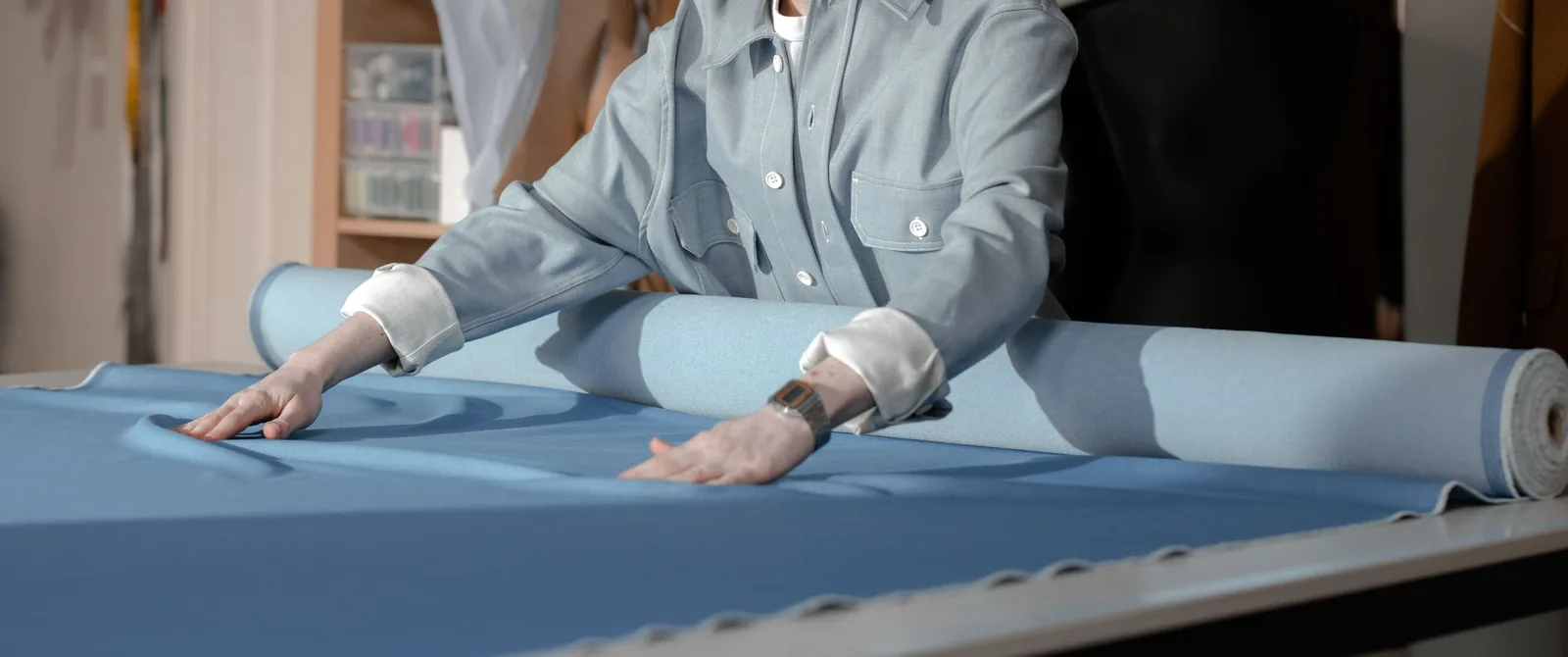
Fabric preparation. Representative photograph. 01 / 06The cutting floor
Fabric preparation
Rolls are checked for shade, width and visible faults, relaxed where the fabric needs it, then spread ply on ply with the face and grain aligned.
Why it matters A shade or width problem found after cutting cannot be undone.
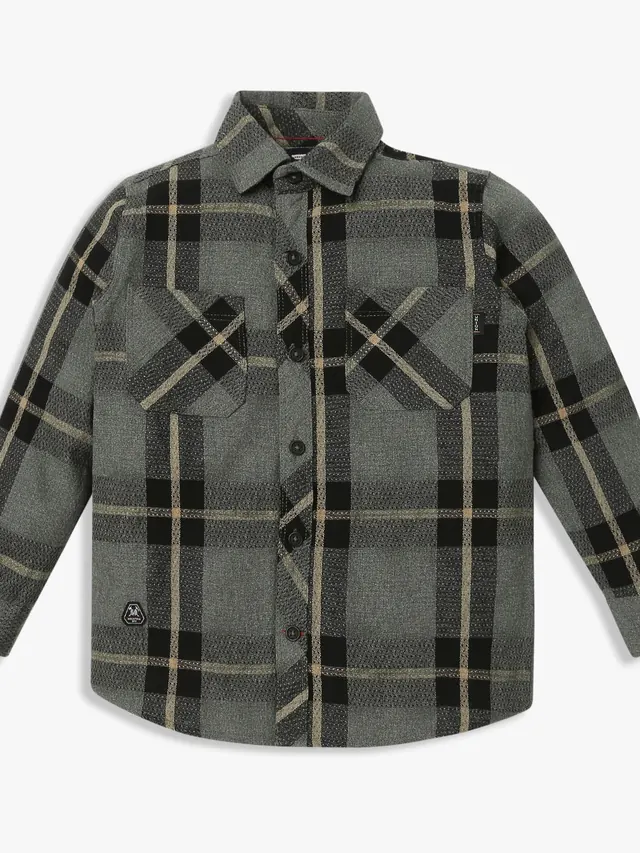
- 01Pocket cut on the biasTurned on the marker, so the check runs diagonally
- 02A matching pairBoth pockets placed the same way
- 03Checks meet at the placketBoth fronts set on the same check line
A checked cotton shirt from current production. On a check, the marker decides where every piece sits on the pattern. 02 / 06The cutting floor
Marker planning
The pattern pieces for the size ratio are laid out on a marker to use the fabric with the least waste while keeping every piece on grain.
Why it matters The marker decides fabric consumption, and with it a large part of the garment cost.
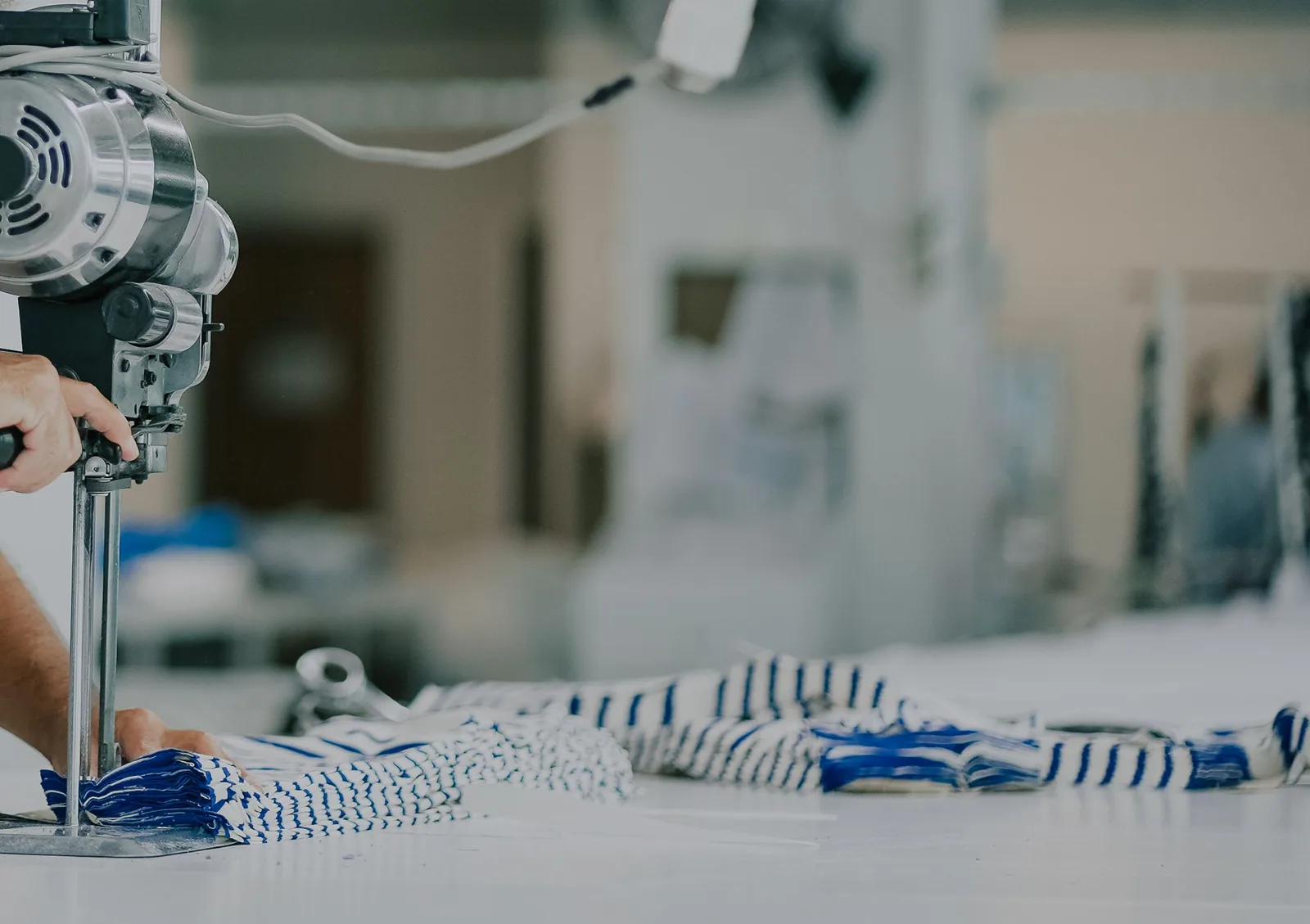
Cutting. Representative photograph. 03 / 06The cutting floor
Cutting
The lay is cut through every ply along the marker lines, with notches and small pieces cut for accuracy.
Why it matters Every garment in the lay takes its shape from this cut.
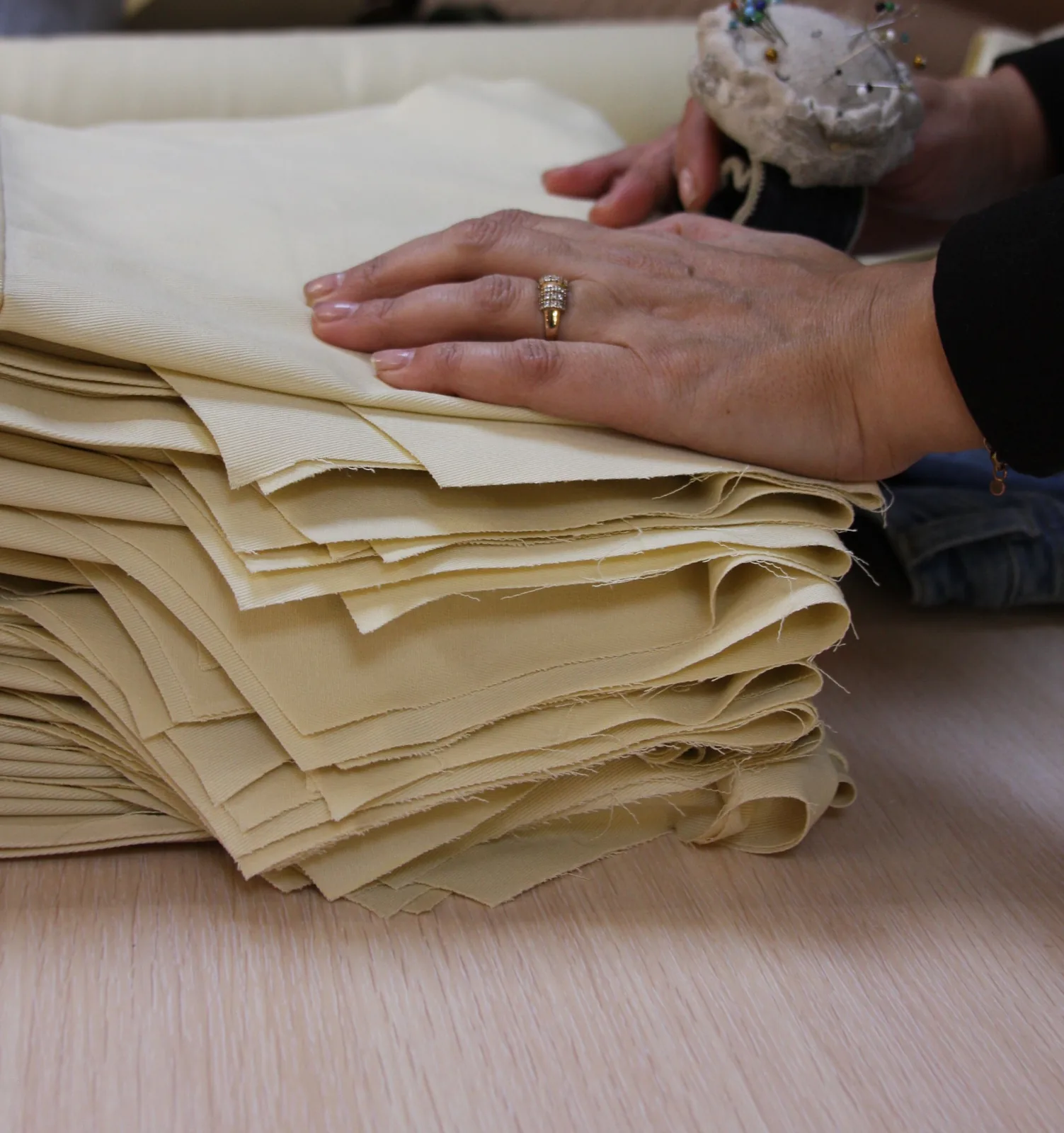
Bundling. Representative photograph. 04 / 06The cutting floor
Bundling
Cut pieces are grouped by size, colour and ply into bundles that move through the line together.
Why it matters A bundle keeps a garment's pieces together and makes the work countable.
Cutting room
Ref. 913680
Bundle ticket
- Style
- Cotton Checkered Shirt
- Size
- M
- Colour
- As approved
- Ply
- 07
Panels in the bundle, numbered by ply
- Front07
- Front07
- Back07
- Sleeve07
- Sleeve07
- Cuff07
- Cuff07
- Collar07
- Pocket07
- Pocket07
One ply, one shade
A bundle ticket for the same shirt. The style is real; the size, colour and ply entries are examples. 05 / 06The cutting floor
Identification
Each bundle is ticketed with style, size, colour and ply, and pieces are numbered so a garment is sewn from panels cut from the same ply.
Why it matters Panels from one ply share one shade; mixing plies is how a sleeve ends up a tone away from its body.
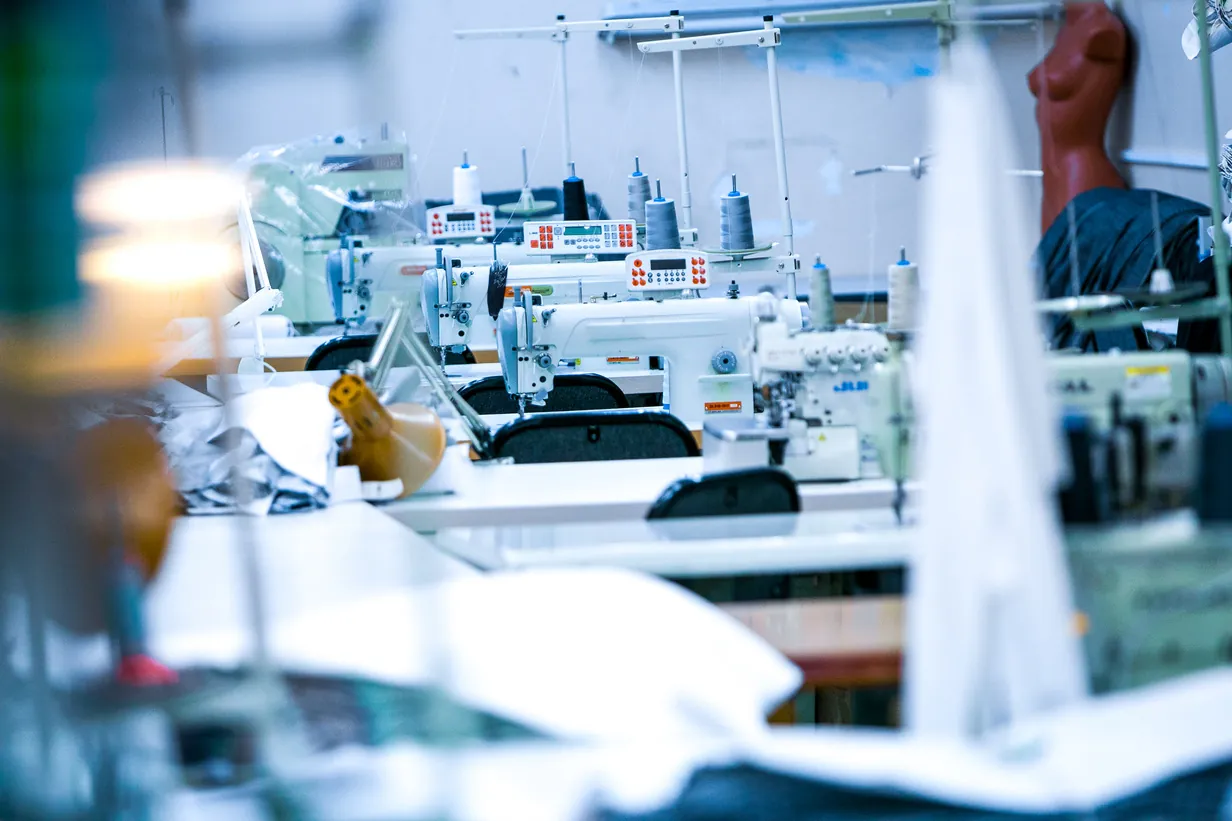
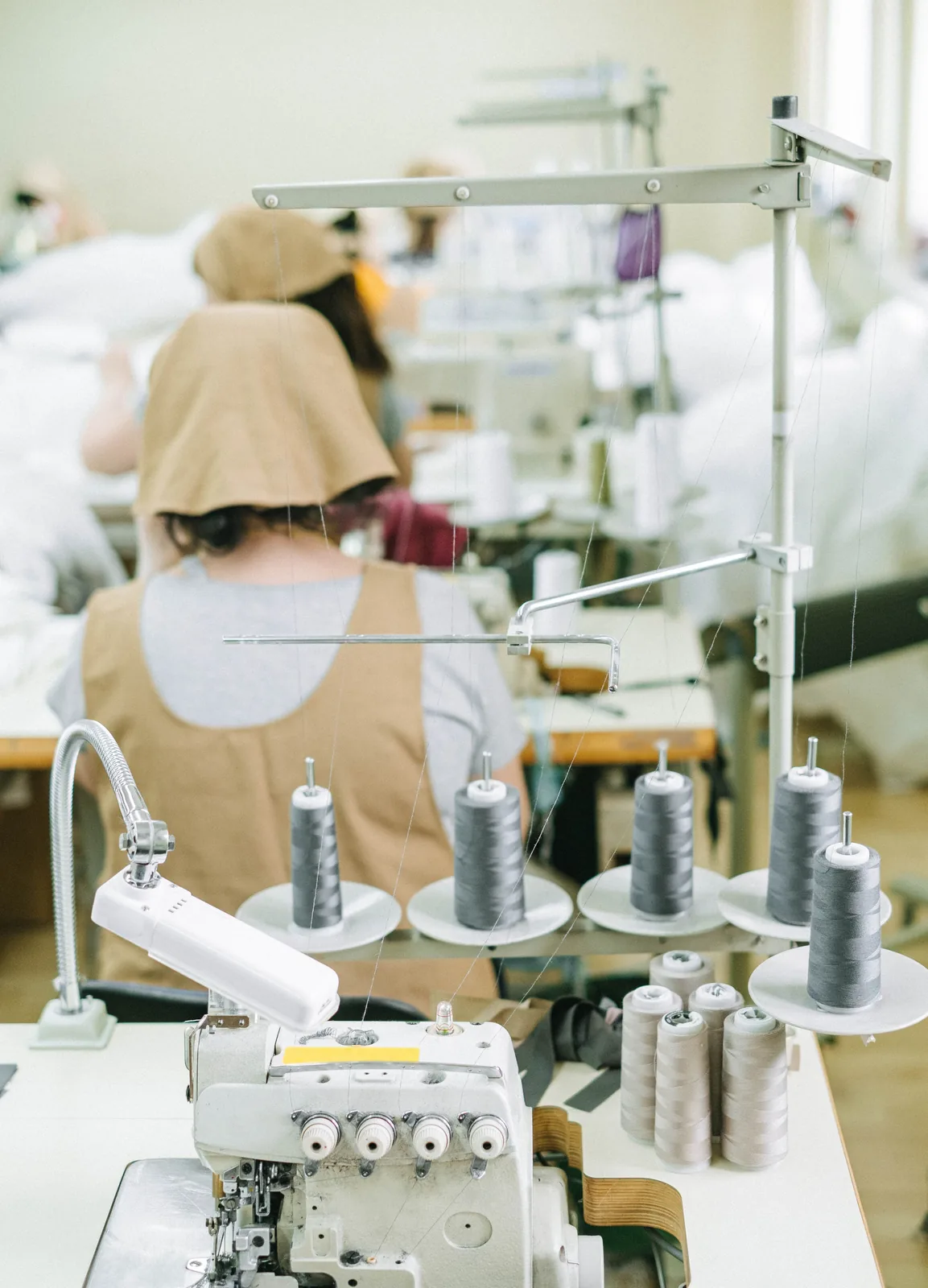
Our own stitching floor, where the bundles arrive in the order they will be sewn. 06 / 06The cutting floor
Movement to stitching
Bundles go to value addition where the style calls for it, then to the stitching lines, in-house or at partner units.
Why it matters Work reaches the line in the order it will be sewn.
Parallel capacity
Side by side, not one after another.
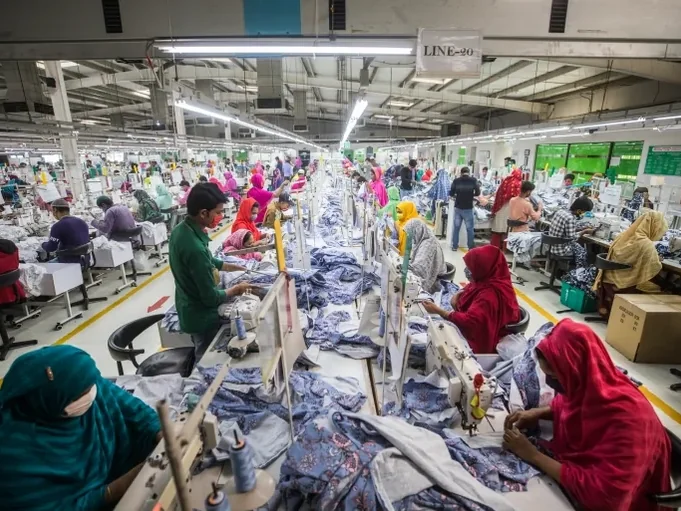
One order made on several lines at the same time instead of one after another: the in-house Bhiwandi floor and partner jobworker units each take a share of the same style, made to the same pattern, sample and standard.
On one lineOn one line, a large order is made piece after piece, and its delivery date follows from that line's pace.
On parallel linesSplit across several lines, the same order is made side by side, and the date follows from their combined output.
How a split order stays one programme
- 01
One reference
The approved sample, the graded pattern and the specification are fixed before any work is split. - 02
Split by quantity
The order is allocated across the in-house Bhiwandi lines and the partner units engaged for the programme. - 03
Each unit, its operation
Each unit receives the pattern, the sample and the construction for the operation it performs. Tech packs and specifications are not circulated to the wider floor or to partner units beyond the operation being performed. - 04
One inspection standard
Output from every unit is inspected to the same agreed AQL as the in-house lines. - 05
One programme
Passed garments are packed to one buyer specification and shipped as one programme.
One reference out, one standard back.
The operational network: what goes out to each line, and what has to come back before garments are packed.
- One reference to BhiwandiThe approved sample, the graded pattern and the specification
- One reference to 30+ partner unitsThe pattern, the sample and the construction for the operation each unit performs
- Bhiwandi to Agreed AQLFinished garments, inspected to the agreed AQL
- 30+ partner units to Agreed AQLFinished garments, inspected to the same agreed AQL as the in-house lines
- Agreed AQL to One programmePacked to one buyer specification and shipped together
Bring the volume. We plan the lines.
Share styles, fabrics and target quantities. We reply to most enquiries within one working day.