What embroidery and print work can you add?
Embroidered, printed, approved first.
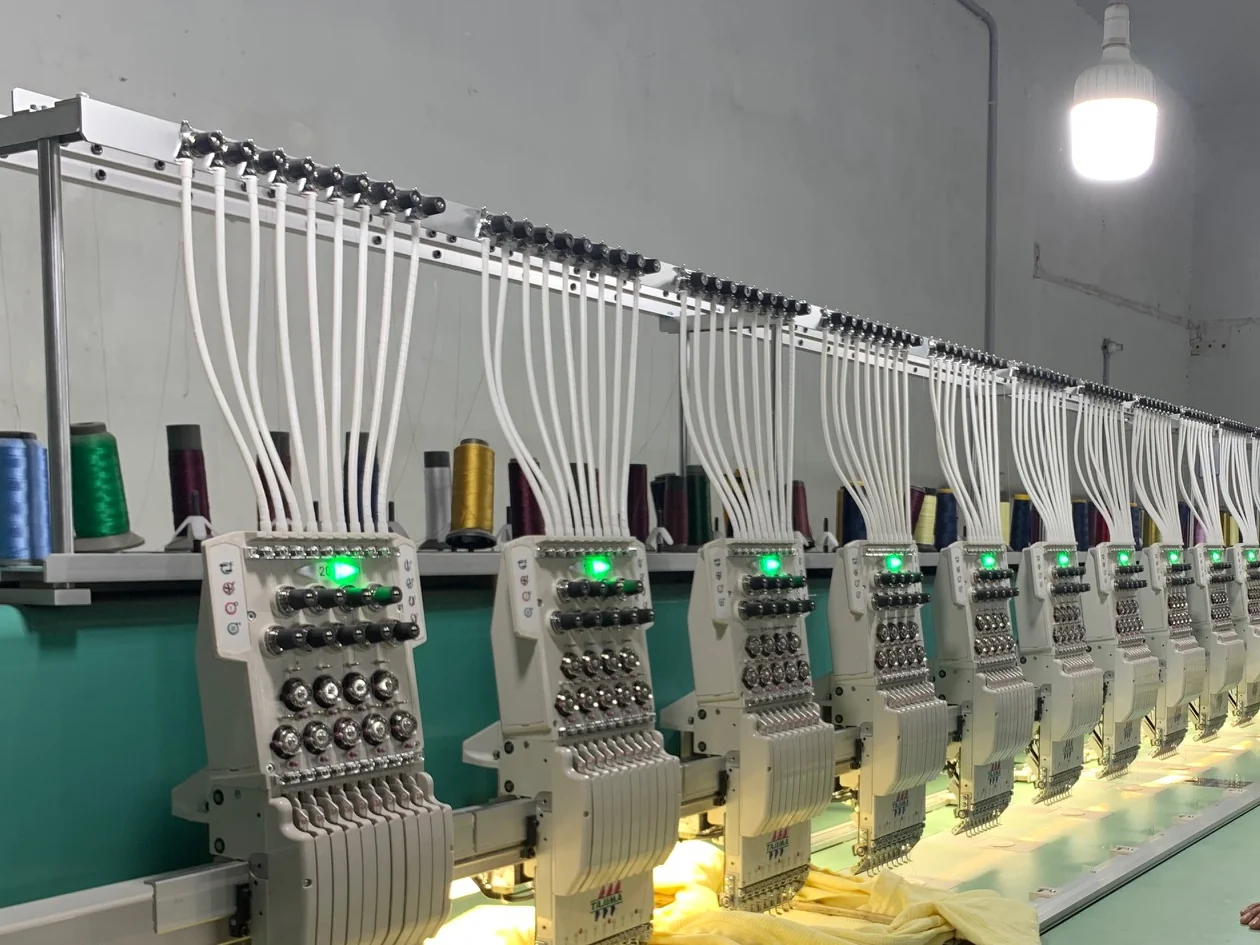
Computerised multi-head embroidery. Representative photograph.
Input, process, output.
What arrives at embroidery & value addition, what happens to it, and what leaves for the next stage.
- 01
Input
- 01.1Artwork, or a reference of the motif
- 01.2Placement marked on the approved sample
- 01.3Thread or print colour references
- 01.4Cut panels from the bulk lay
- 02
Process
- 01
Artwork
- 02
Trial piece
- 03
Trial approved
- 04
Bulk run on panels
- 05
Panel check
- 06
To stitching
- 03
Output
Embroidered or printed panels that match the approved trial, ready for assembly.
Why it matters
Value addition is where a simple base earns its identity on the shelf. It is also the stage most likely to drift between sample and bulk, so it is approved on a trial piece before panels go into production.
Embroidery & Value Addition, specified
Embroidery & Value Addition: what we do, your part, the check and the deliverable
- What we do
- 01Read the artwork for technique, stitch or print type, colours and placement
- 02Work a trial piece on bulk fabric for approval
- 03Run approved designs on cut panels, between cutting and stitching
- 04Check finished panels against the approved trial
- 05Return panels to the line for assembly
- Buyer involvement
- You supply artwork and colour references and approve the trial piece before the bulk run starts.
- Quality check
- Placement, colour, stitch density or print registration, and the reverse of the work, checked against the approved trial before panels go to stitching.
- Deliverable
- Value-added panels, matched to the approved trial, released to stitching.
Four techniques, side by side.
Where each one is used, what it looks like on the garment, what it adds and when buyers ask for it.
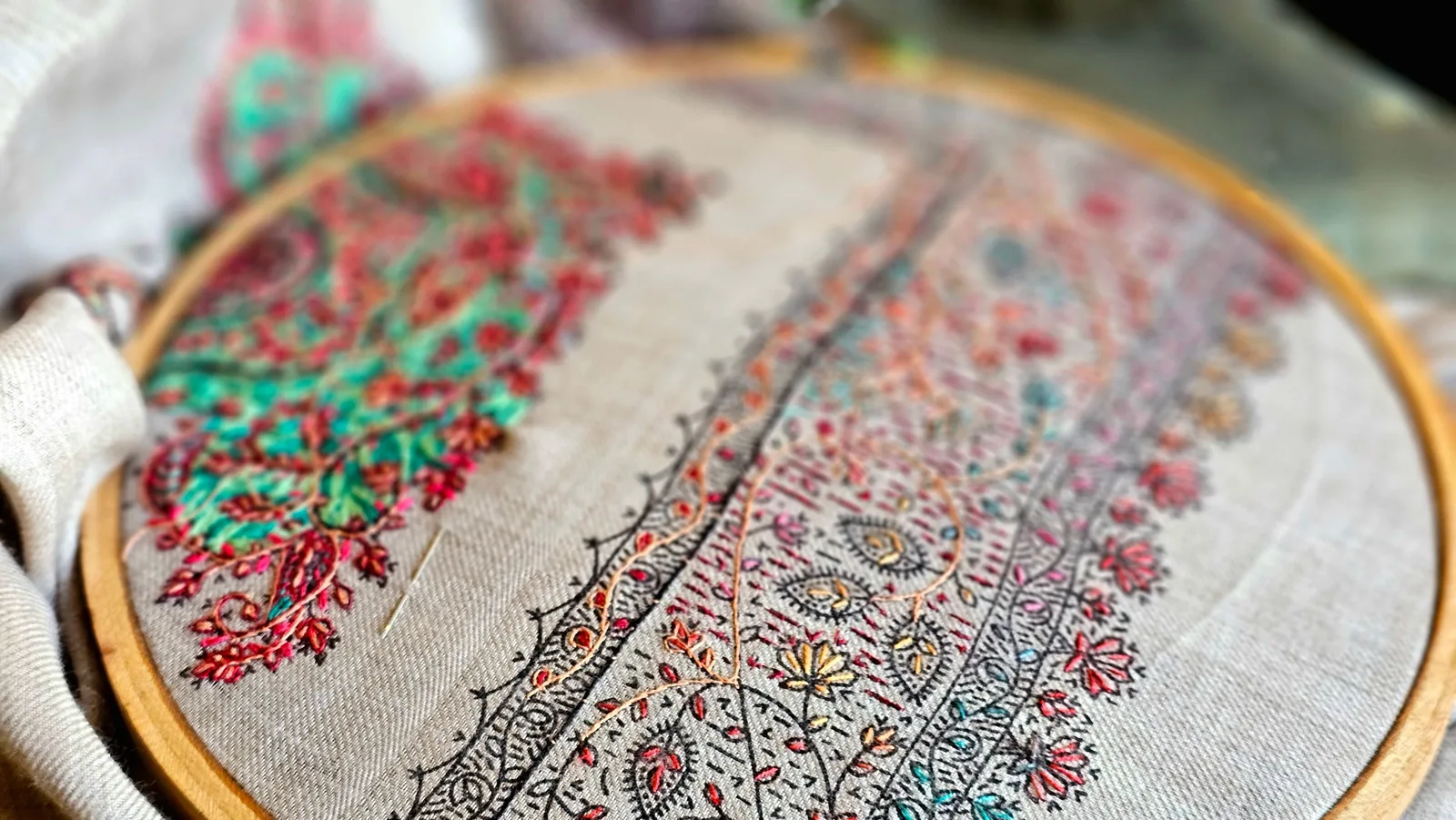
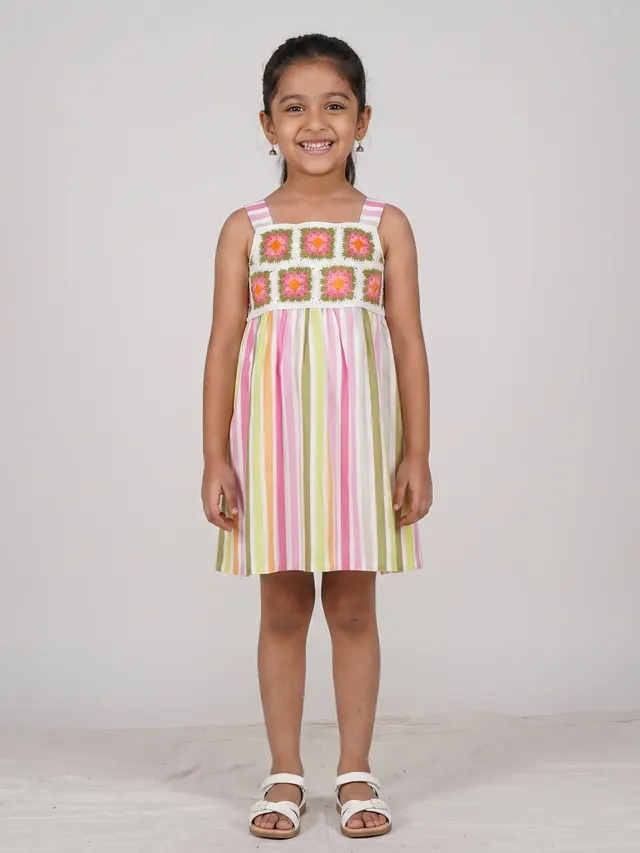
Hand embroidery. Representative photograph. 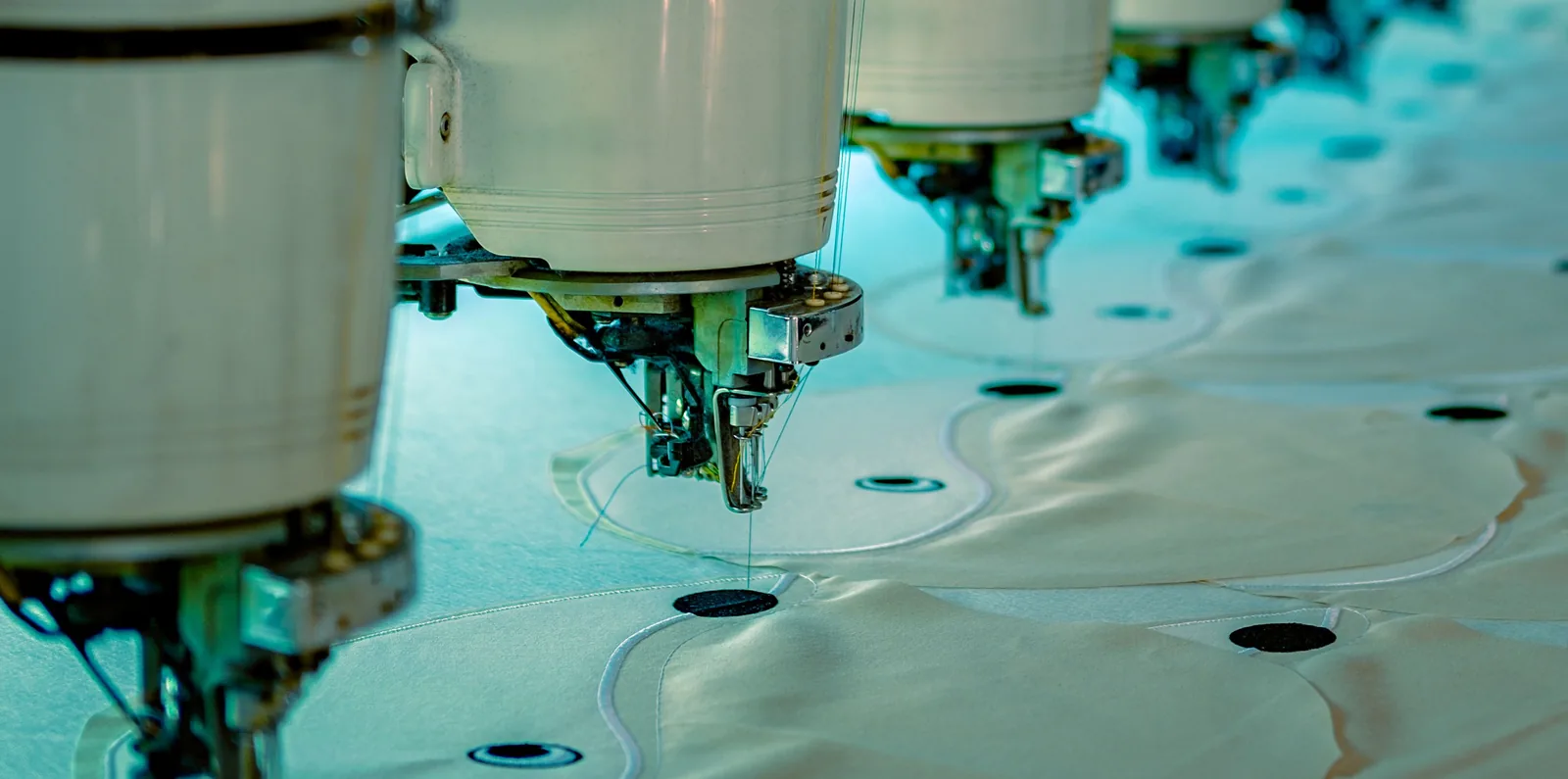
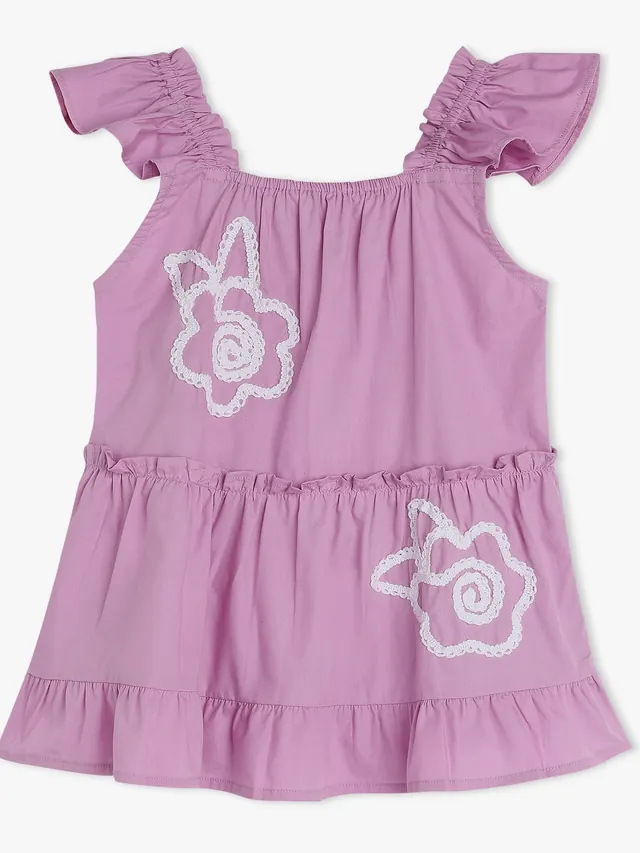
Computerised embroidery. Representative photograph. 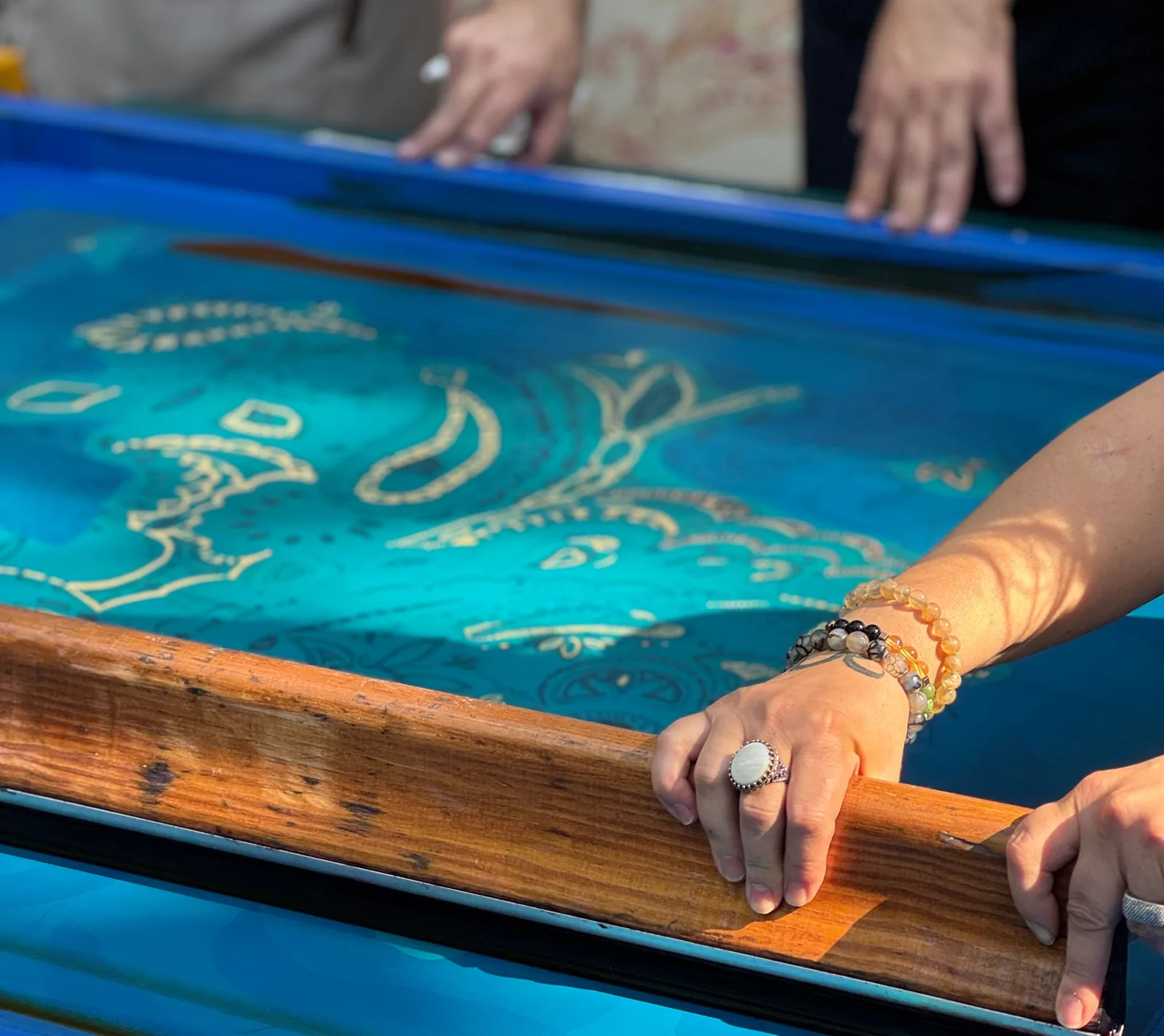
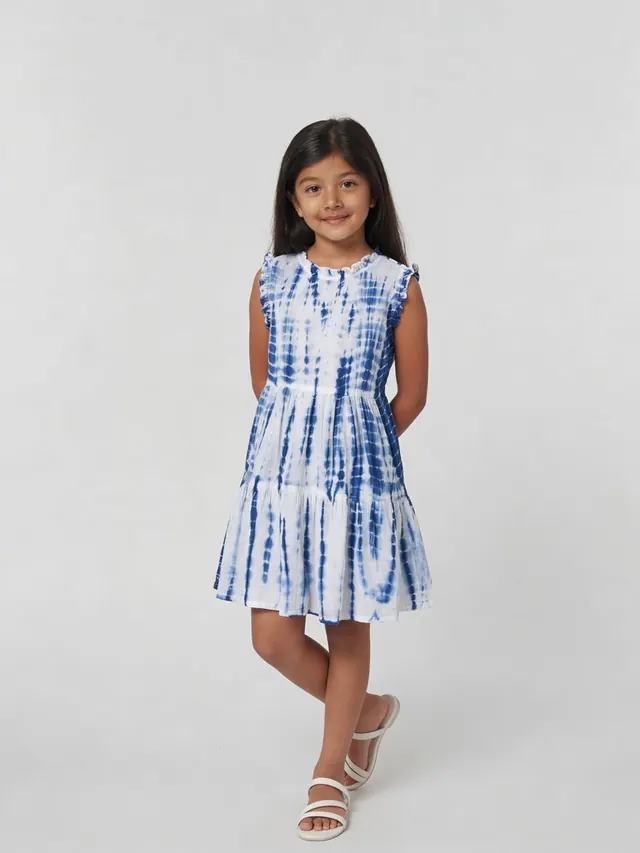
Piece printing. Representative photograph.
| What to know | Hand embroidery | Kaht work | Computerised embroidery | Piece printing |
|---|---|---|---|---|
| Where it is used | Necklines, yokes, cuffs, hems and small placements: typical on ethnic and Indo-Western styles, and on kidswear where a softer, hand-made finish is wanted. | Ethnic and Indo-Western styles, where it is offered alongside hand embroidery. | Chest motifs, borders, all-over designs, badges and placements, in kidswear, womenswear and ethnic wear alike. | Placement motifs on fronts and backs, and all-over designs on cut panels, for shirts, tops, frocks and dresses. |
| What it looks like | Stitches made by hand with a needle: raised, slightly irregular, often in mixed threads, so each piece differs a little from the next. | Its look depends on the motif and the placement, so it is judged on a trial piece worked to your design, never on a borrowed photograph. | Dense, even stitching repeated exactly from a digitised design: satin outlines, fills and lattice work, identical on every piece. Multi-head machines run one design on several panels at the same time. | Colour applied to the surface of cut pieces: a single placed motif, or a design that covers the whole panel. |
| What it adds | A crafted finish and a texture machines do not reproduce, which lets a simple base carry a higher price point. | A surface detail that sets a style apart from printed and machine-embroidered alternatives. | Texture and colour on a plain base at bulk speed, with every piece matching the approved trial. | Pattern and colour without changing the base fabric, so one quality can carry many designs and colourways. |
| When buyers use it | Festive and occasion ranges, premium styles in smaller quantities, and designs where variation is part of the appeal. Hand work takes longer per piece, so quantities and timing are confirmed against the programme. | Ethnic and Indo-Western ranges where the design brief calls for it. | Bulk programmes that need the same motif on every piece, logos and placements that must repeat exactly, and kidswear details. | Seasonal prints, graphic placements, and ranges that need several colourways on one base fabric. |
Put in the brief
01Hand embroidery
- Motif artwork at actual size
- Thread colours and thread type
- Placement on the panel
- How much variation between pieces is acceptable
02Kaht work
- Motif artwork or a reference of the work
- Colours
- Placement on the panel
03Computerised embroidery
- Artwork as a vector or high-resolution file
- Stitch type and density
- Thread colours
- Placement, and whether the motif changes size across the size range
04Piece printing
- Artwork with colour references
- Placement and size on the panel
- Colourways
- How the print should feel in the hand
Plain, then value added.
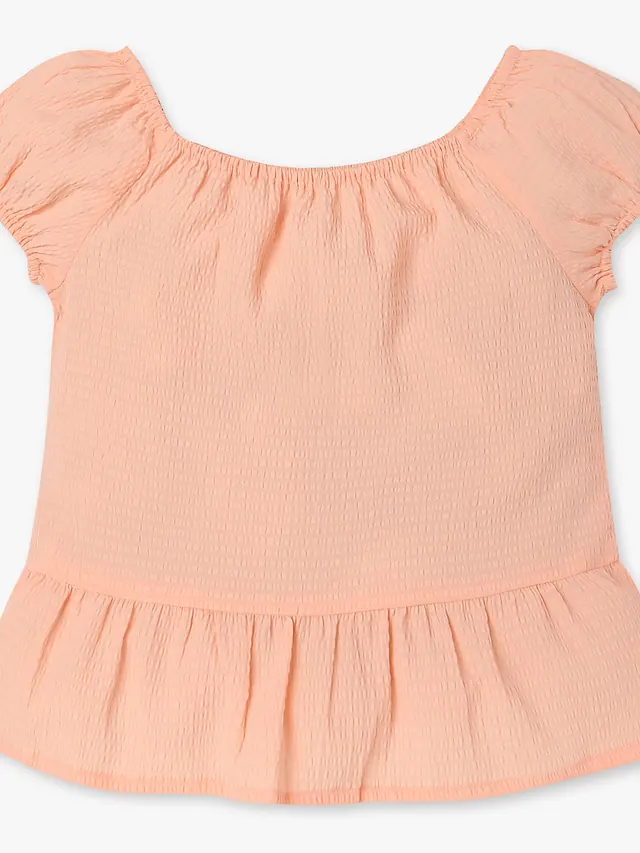
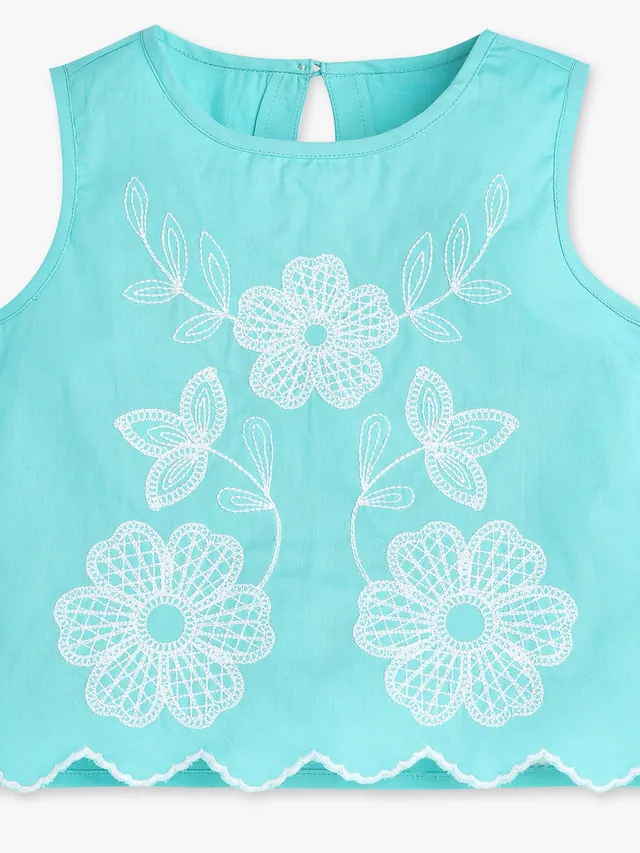
Drag across each frame. Both sides are real styles from current production: two different garments, shown side by side.
Plain → Embroidered
Base → Printed
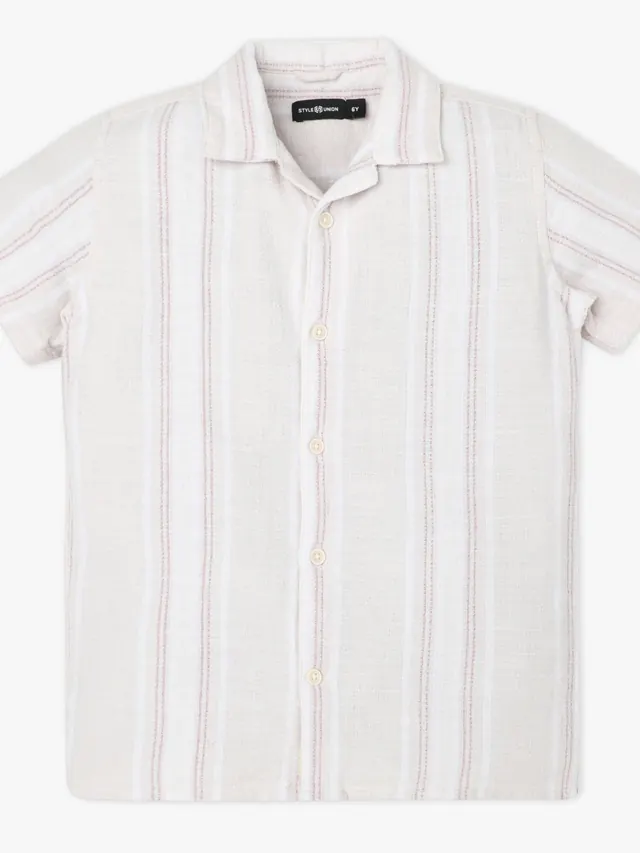
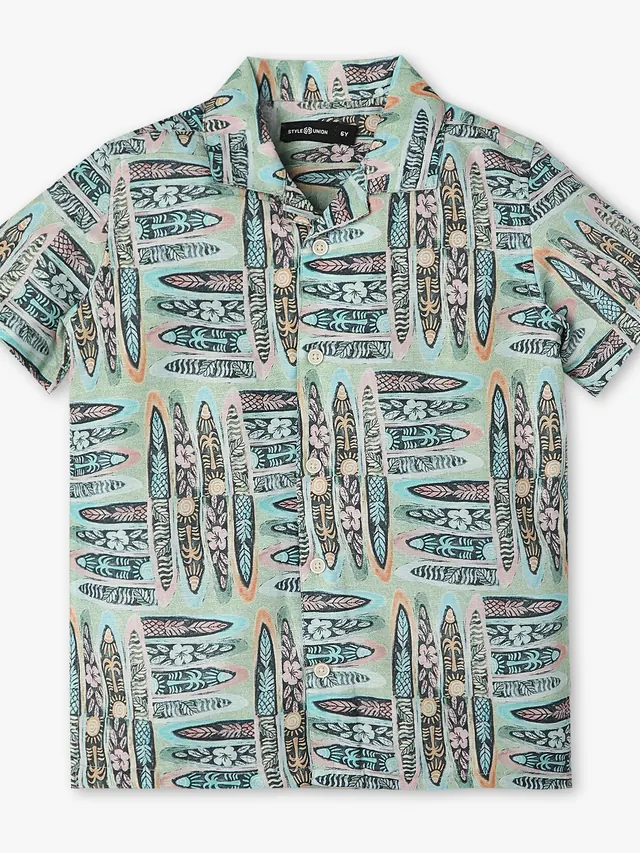
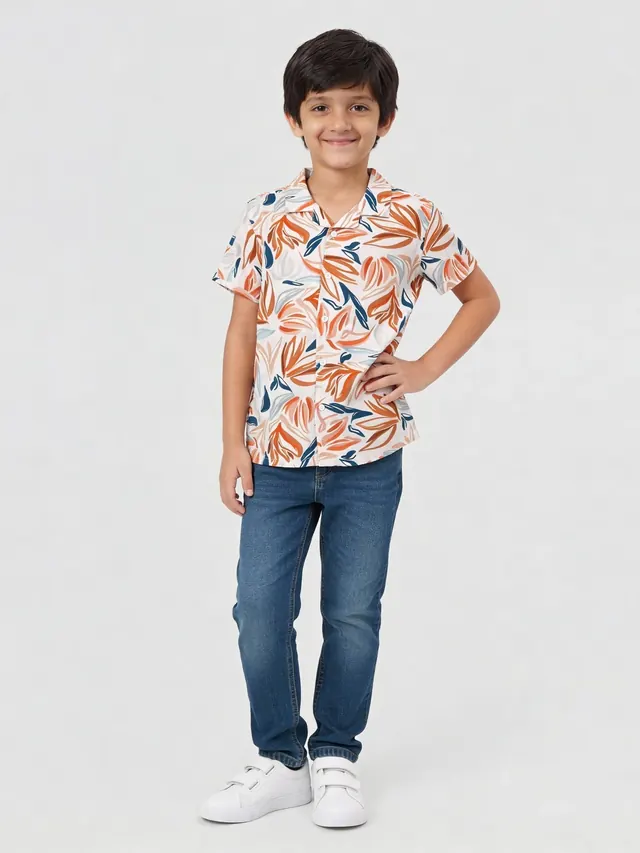
Printed styles online · 27
Print, in current production.
Printed styles from current production. The product data records each style’s pattern, not the method used to apply it.
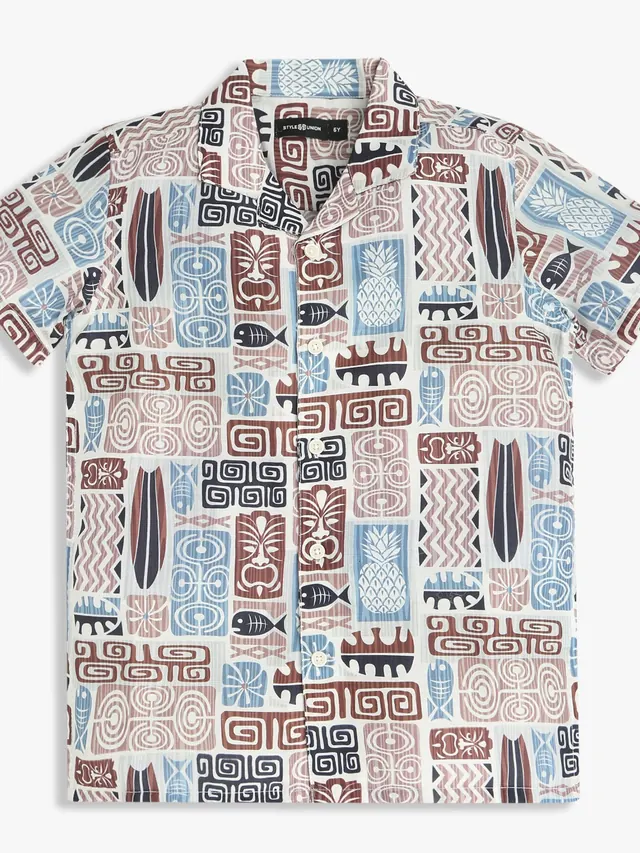
Boys Printed Cuban Half Sleeve Shirt
Rayon · PrintedRef. 861837
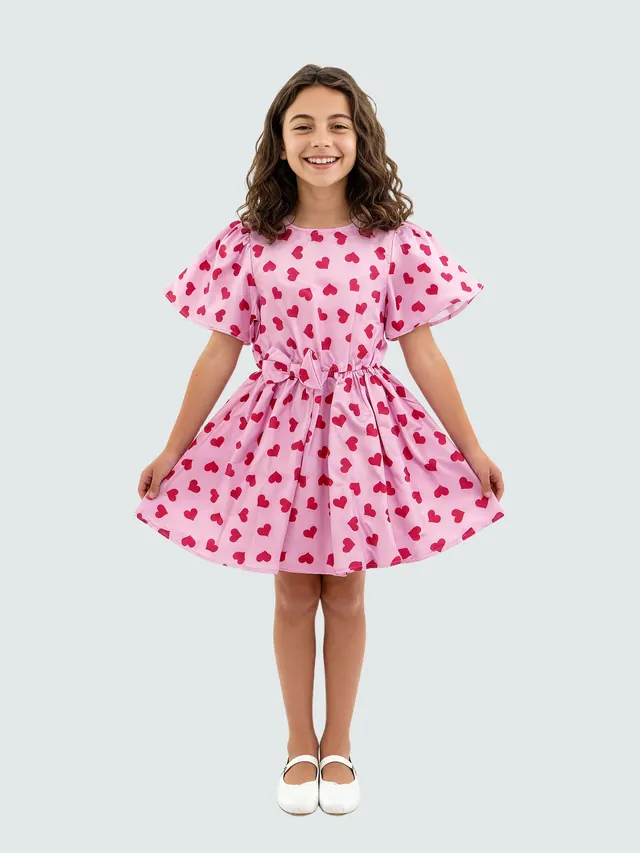
Girls Printed Frock with Balloon Sleeves
Polyester · PrintedRef. 918746
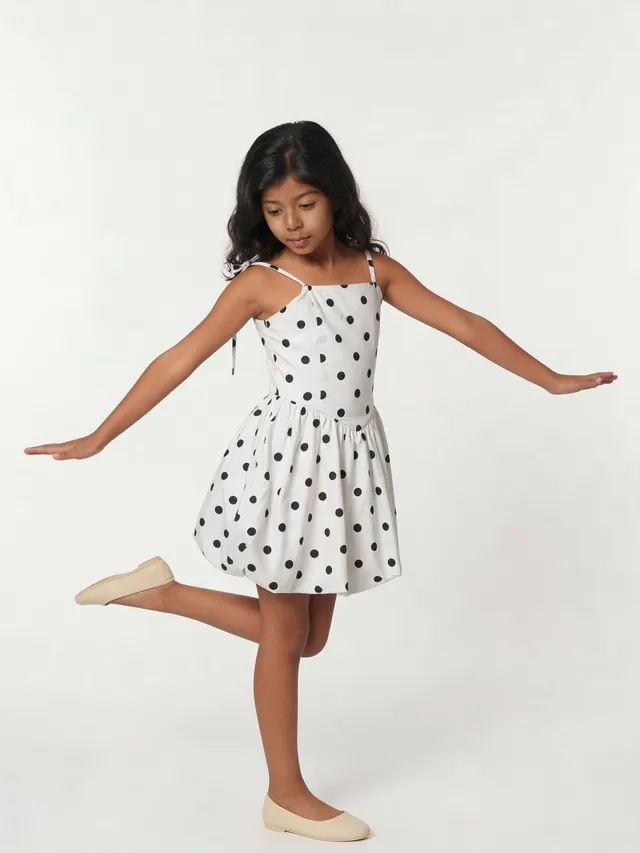
Girls Balloon Skirt Polka Dress
Cotton · PrintedRef. 106320
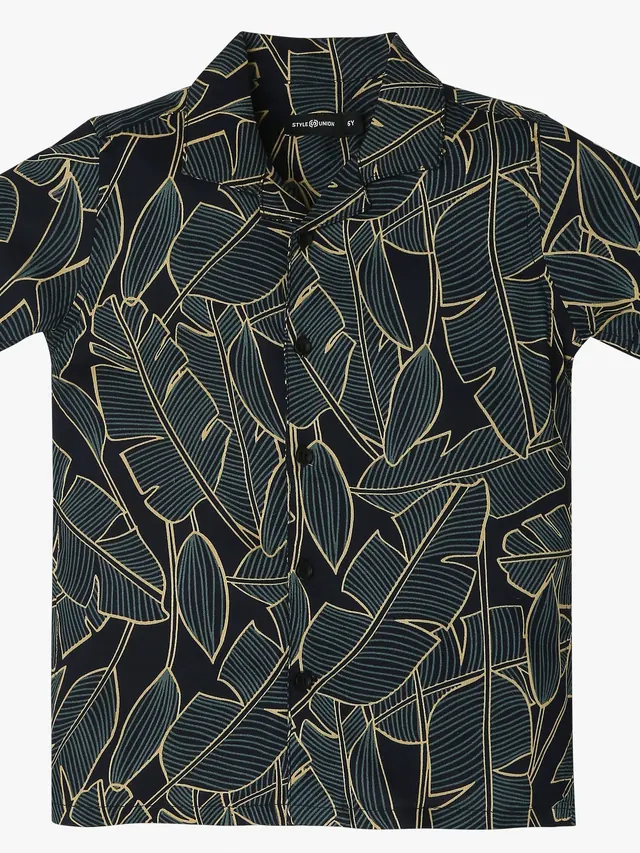
Boys Printed Cuban Half Sleeve Shirt
Viscose · PrintedRef. 699867
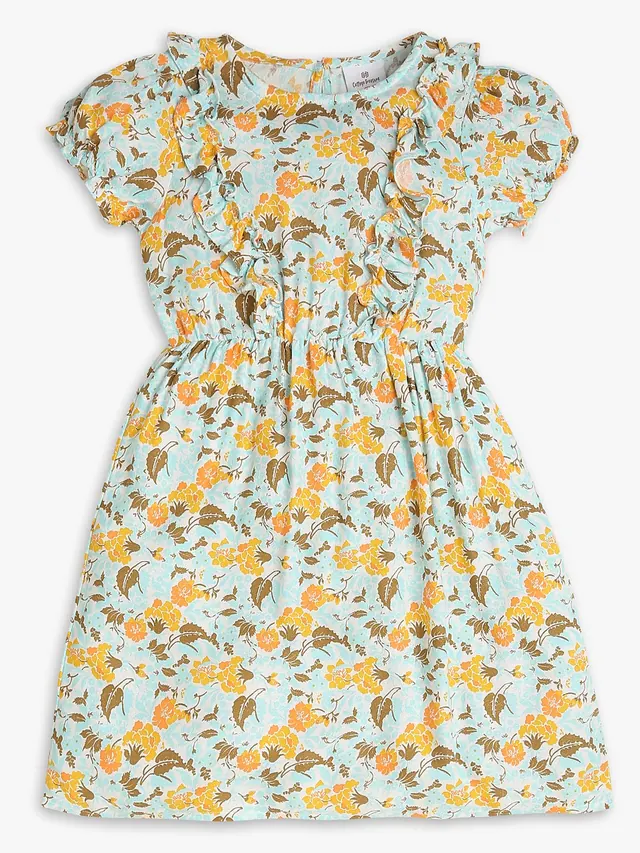
Girls Flare Fit Printed Frock
Viscose · PrintedRef. 226063
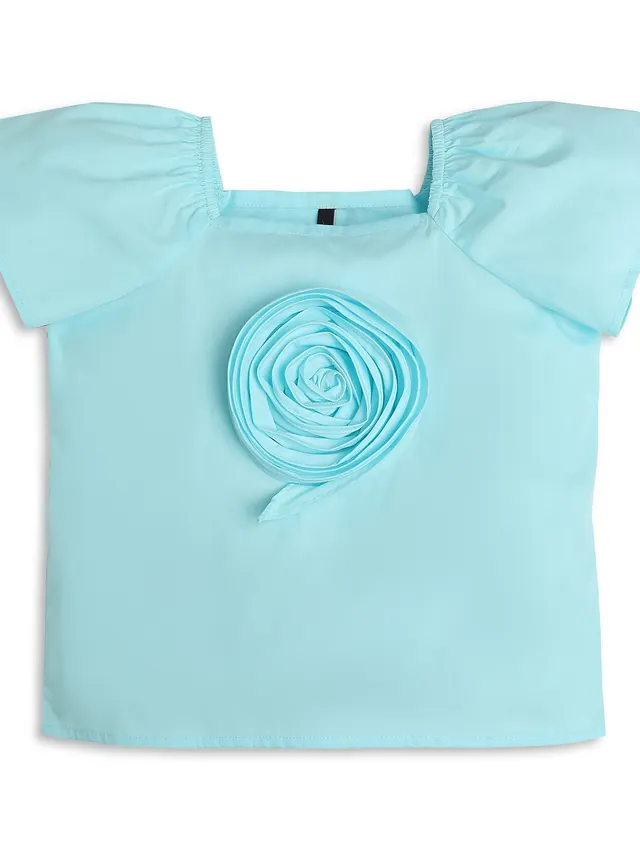
Send the artwork. Approve a trial.
Share styles, fabrics and target quantities. We reply to most enquiries within one working day.