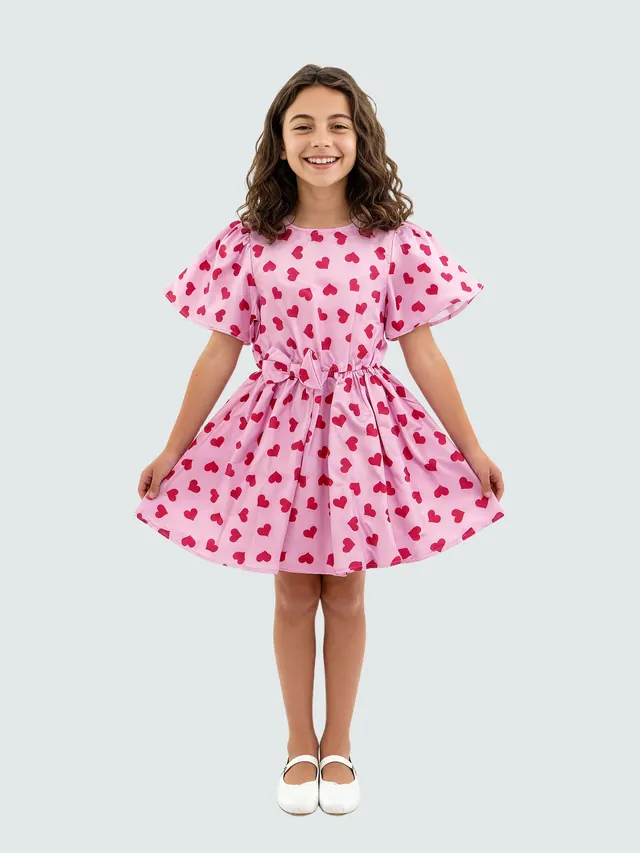


When does embroidery or print have to be decided?
Embroidery and value addition
Anmol JournalGuide
Guide 7 of 10
- Topic
- Value addition
- Reading time
- 2 minutes
- Sections
- 05
- Figures
- 02
01What value addition means
In garment production, value addition is any process that adds to a garment beyond cutting and stitching: embroidery, printing, appliqué, special washes and trims. It is where a basic style becomes a range's own.
We offer four techniques: hand embroidery, Kaht work, computerised embroidery and piece printing.
02Computerised embroidery
Computerised embroidery starts with digitising: turning artwork into a stitch file that sets the type, direction and order of every stitch. The machine then repeats that file exactly, head after head.
It suits a repeated design across large quantities, with the last piece matching the first. Its cost follows the stitch count and the number of colours.
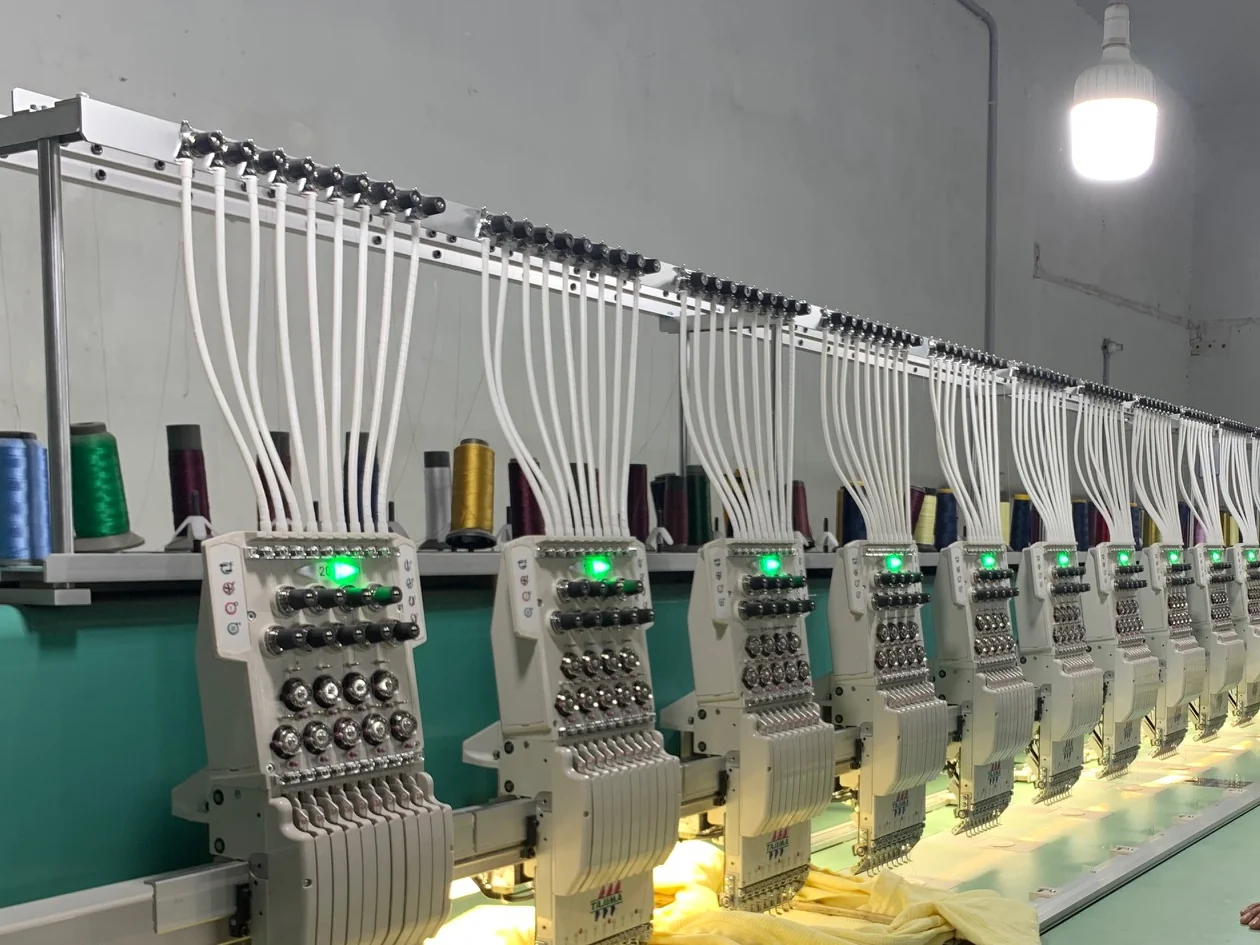
It is where a basic style becomes a range's own.
03Hand embroidery and Kaht work
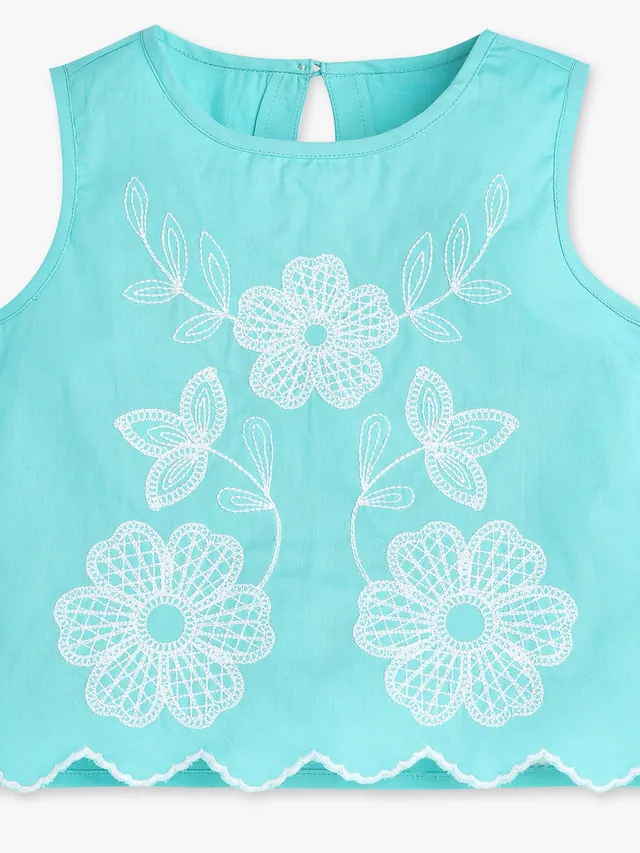
Hand embroidery has a depth and a slight irregularity that read as handmade, which is why it is so often chosen for ethnic and Indo-Western styles. Because every piece is worked by hand, it is planned into the schedule from the start.
In our ethnic and Indo-Western range, hand and machine work sit alongside printing, chosen style by style.
04Piece printing
Piece printing applies a print to cut panels before they are stitched, instead of printing the whole roll of fabric. A placement print sits in one position, such as a chest motif; an all-over print covers the panel.
Printing panels rather than rolls puts a motif exactly where the pattern needs it, and spends no print on cloth that is cut away.
05When to decide
Value addition is fixed on the pattern: its position, size and colours are part of the approved sample. Decide it before the counter sample, because changing it later means new artwork, a new set-up and often a new sample.
It also affects minimums and timing. Each design carries a set-up, digitising or print preparation, that is spread across the quantity, so fewer, shared designs keep a programme efficient.
Keep reading