

What does AQL actually mean?
How garment QA works
Anmol JournalGuide
Guide 4 of 10
- Topic
- Quality
- Reading time
- 2 minutes
- Sections
- 05
- Figures
- 02
01Built in line, not found at the end
A defect found at final inspection is found late: the garment is finished, packed and one of thousands. Inline inspection checks work at the machines while the style is being stitched, so a fault is caught at the operation that causes it.
End-line inspection then checks garments as they come off the line, before finishing and packing.
Fig. 01Quality checkpoints from the line to dispatch
- 01
Inline inspection
- 02
Measurement audit
- 03
Fit check
- 04
End-line inspection
- 05
Final random inspection
- 06
Packing check
02Measurement and fit audits
A garment can be well sewn and still wrong. Measurement audits compare finished garments with the measurement chart and its tolerances, size by size; fit checks confirm the style still matches the approved sample.
Measurement is where grading problems show first: a point that is out in one size is often out in the next, so an audit reads across sizes as well as within one.
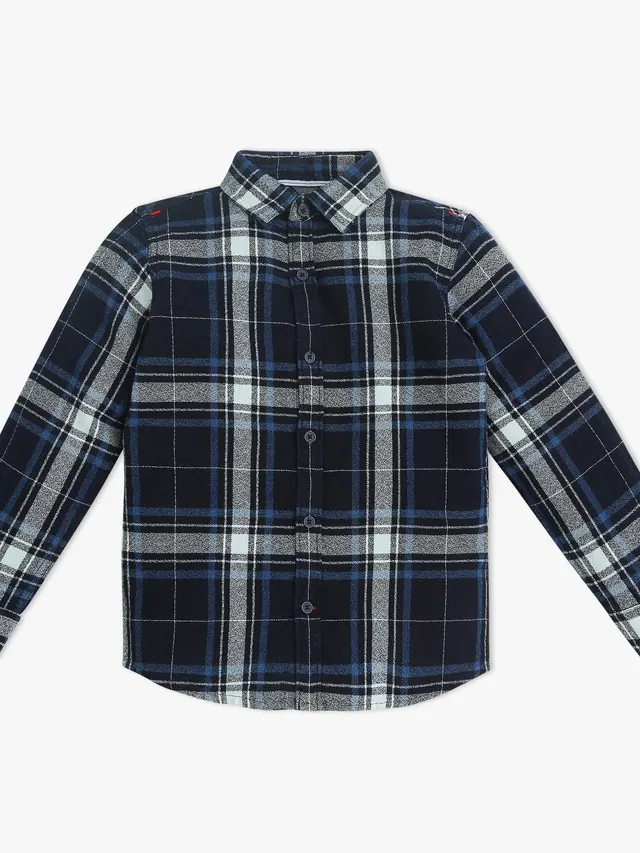
A defect found at final inspection is found late: the garment is finished, packed and one of thousands.
03AQL, explained
AQL, the acceptance quality limit, is a sampling rule. Instead of checking every piece, the inspector draws a random sample whose size depends on the lot size, and the lot passes or fails on the number of defects found in it.
The AQL is agreed between buyer and manufacturer, often with different limits for major and minor defects. A lower AQL allows fewer defects in the sample before the lot fails.
04Classifying defects
Defects are usually graded critical, major or minor. A critical defect makes a garment unsafe or unsellable; a major one is likely to cause a return; a minor one is unlikely to affect sale or use.
The definitions belong in the buyer's quality manual, because the same flaw can be major for one retailer and minor for another.
05One standard on every line
When a programme runs on several lines at once, the risk is that each line drifts towards its own standard. The answer is one reference sample, one measurement chart, one AQL and one QA department checking all of it.
That is how parallel production adds capacity without adding standards: the lines multiply, the reference stays single.
Keep reading