Who owns what in private label?
How private-label manufacturing works
Anmol JournalGuide
Guide 10 of 10
- Topic
- Programmes
- Reading time
- 2 minutes
- Sections
- 05
- Figures
- 01
01Their label, our production
In private label, the brand owns the design, the label and the customer; the manufacturer owns the making. The garment carries the brand's labels, tickets and packaging.
Programmes arrive in different states. Some come as complete tech packs, some as a sketch or a reference garment to be developed, and some as a request to adapt an existing style to the brand's fabric and fit.
02Who owns what
The buyer owns the design and everything that identifies it. The manufacturer's duty is to make it to specification and to keep it confidential: designs developed for one buyer are not shown to another.
With us, that duty is written down before any design changes hands, and our confidentiality page sets out how it is kept.
In private label, the brand owns the design, the label and the customer; the manufacturer owns the making.
03Developed to order
Not every range needs a public catalogue. In private label, most of the work is the buyer's own design, which by definition cannot be shown to anyone else.
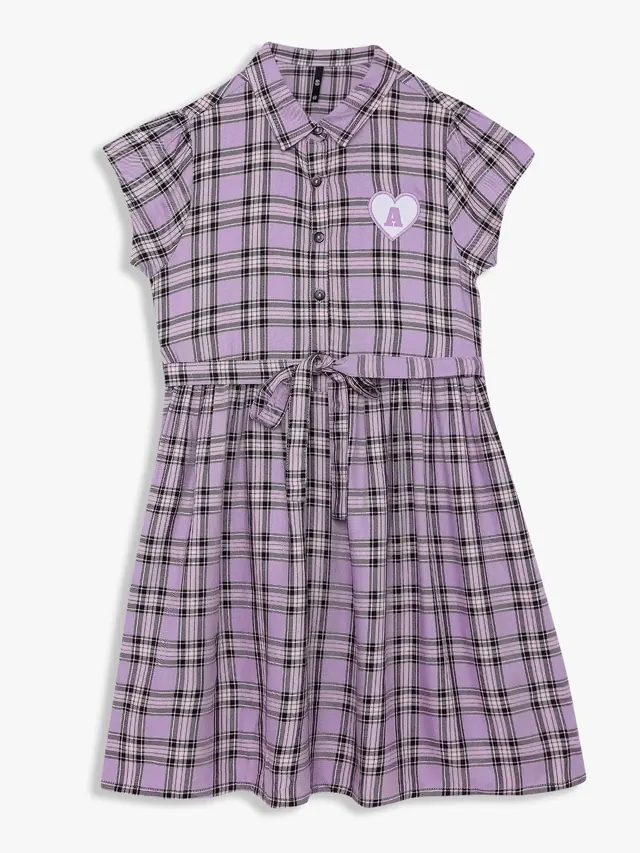
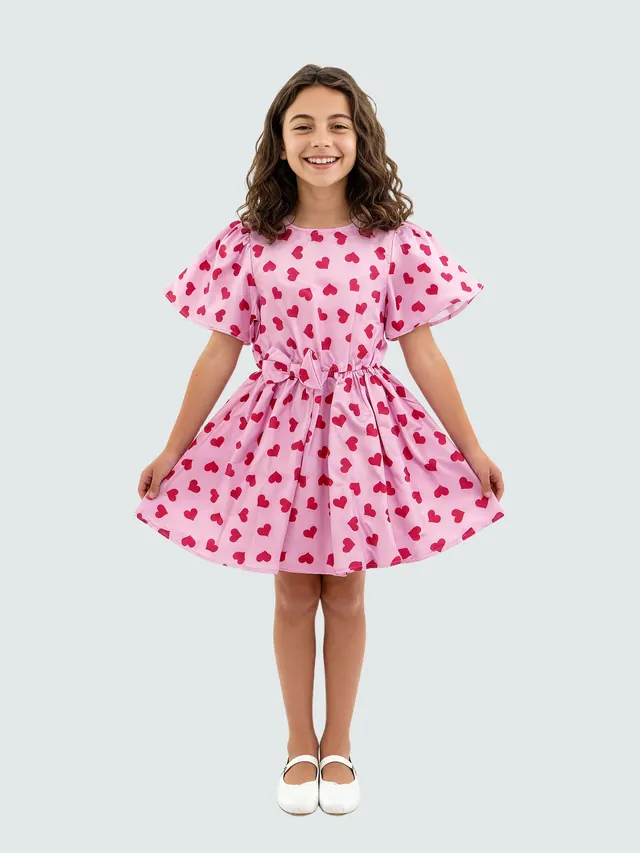
That is why the styles online are girls and boys production, shown as evidence of construction rather than as a menu, and why the other ranges are discussed one buyer at a time.
04The brand's rules, in the factory
Private label brings the brand's rules into production: care and content labels, size labels, price tickets, barcodes, polybags and carton marks, often gathered in a vendor manual.
Compliance follows the same logic. The brand answers to its customers and regulators, so it audits its manufacturers and asks for documentation against its own onboarding checklist.
05Choosing a partner
Look for evidence over claims: real styles in current production, a sampling process with named stages, a quality system with an agreed AQL, and an open invitation to visit.
Ask who your single point of contact will be, how confidentiality is handled, and what happens when something goes wrong. The answers show how the programme will actually run.
Keep reading